April 18, 2026

branding

Logo definition literature explores the multifaceted world of visual communication, examining the essential elements of logos and their role in shaping brand identity. From their historical evolution to their impact on user experience, this guide delves into the intricacies of effective logo design. This exploration considers the crucial interplay between design principles, branding strategies, and effective communication.

This comprehensive overview of logo definition literature provides a framework for understanding the principles and practices behind successful logo design, connecting them to overall brand strategies. The evolution of logo design and the impact of cultural contexts are also examined.

Logo Definition

A logo is a visual representation of a brand, designed to evoke a specific identity and recognition. It’s a powerful symbol that encapsulates the essence of a company, product, or organization. Beyond aesthetics, a logo acts as a shorthand communication tool, instantly conveying brand values and personality.Logos play a crucial role in brand identity, serving as a key differentiator in a competitive marketplace.

They establish immediate brand recognition and create a lasting impression on consumers, fostering trust and loyalty. A well-designed logo reinforces the brand’s message and contributes to its overall success.

Logo Definition and Role in Brand Identity

A logo is a graphic symbol or emblem that represents a company, product, or organization. It combines visual elements, such as shapes, colors, and typography, with symbolic meaning to create a unique and memorable representation of the brand. This visual identity is a vital component in brand recognition and recall. The role of a logo in brand identity is multifaceted, establishing instant recognition, communicating values, and conveying personality.

Historical Evolution of Logo Design

Logo design has evolved significantly over time, reflecting changing cultural values and technological advancements. Early logos were often simple and straightforward, focusing on practicality and clarity. As design techniques advanced and communication became more sophisticated, logos became more complex and evocative. This evolution showcases a growing understanding of the psychological impact of design on consumer perception.

Types of Logos and Their Applications

Logos can be categorized into various types, each serving different purposes and applications. Understanding these different styles is essential for selecting the most appropriate logo for a specific brand. The chosen logo style should align with the brand’s overall identity and target audience.

  • Wordmark Logos: These logos use text-based designs, often with stylized typography. They are highly effective for conveying the brand name and message directly. Examples include Coca-Cola, Nike, and Apple. Their simplicity often contributes to their effectiveness.
  • Pictorial Logos: These logos utilize visual imagery to represent the brand. They are particularly useful in conveying the brand’s product or service visually. Examples include the Nike swoosh or the Apple logo, which represent a product or brand concept.
  • Abstract Logos: These logos employ abstract shapes or forms to represent the brand. They are often more symbolic and require a deeper understanding of the brand’s message. They can be highly memorable if well-executed, evoking abstract concepts and ideas.
  • Mascot Logos: These logos use cartoon characters or other figures to represent the brand. They are often used to appeal to children or a younger demographic, adding a fun and approachable element to the brand’s image. Examples include the Michelin Man or the Pillsbury Doughboy.

Logo Styles Comparison

Different logo styles offer unique advantages and disadvantages. The choice depends heavily on the specific brand identity and target audience.

Logo Style Description Advantages Disadvantages
Wordmark Text-based logos Easy to remember, simple, versatile Can be generic, may not be easily recognizable without accompanying imagery
Pictorial Image-based logos Visually appealing, instantly recognizable Can be difficult to adapt across various media, may not convey brand message effectively without additional elements
Abstract Non-representational logos Unique, memorable, adaptable May require significant explanation to understand the brand, can be confusing if not well-designed
Mascot Character-based logos Engaging, memorable, easily relatable Can limit brand’s seriousness or professionalism, may not appeal to all target audiences

Elements Contributing to a Logo’s Effectiveness

A logo’s effectiveness hinges on several key elements. These factors work together to create a strong and lasting impression.

  • Memorability: A well-designed logo is easily recalled and recognized. Simplicity and distinctiveness contribute to this factor.
  • Versatility: A good logo should adapt well to various sizes and applications, maintaining clarity and impact.
  • Timelessness: A successful logo transcends trends and remains relevant over time.
  • Uniqueness: A logo that stands out from competitors is more likely to grab attention.
  • Appropriateness: A logo should accurately reflect the brand’s personality and values.

Literature Review

A comprehensive understanding of effective logo design requires a deep dive into the established principles and theories guiding this field. This review examines key elements influencing logo design, including visual hierarchy, balance, typography, color theory, cultural context, target audience considerations, and diverse design approaches. It draws upon relevant literature to provide a robust foundation for future exploration of logo design.Logo design, at its core, is a complex interplay of visual elements and strategic considerations.

The principles underpinning successful logo design are not arbitrary; rather, they are grounded in established design principles and research findings. By analyzing these principles, we gain a deeper understanding of the factors that contribute to a logo’s effectiveness in communicating a brand’s identity and resonating with its target audience.

Key Logo Design Principles

A successful logo design is more than just an aesthetically pleasing image; it must effectively convey the brand’s essence and values. Several key principles are critical to achieving this goal. These principles are often intertwined and work synergistically to create a compelling visual identity.

  • Visual Hierarchy: Visual hierarchy is crucial for guiding the viewer’s eye through the logo, emphasizing important elements. Effective logos prioritize elements based on their importance to the brand. Literature highlights how clear visual hierarchy creates a stronger and more memorable logo. For example, a larger, bolder font might signify the brand name’s prominence, while smaller supporting text or imagery may play a secondary role.

  • Balance: A well-balanced logo design creates a sense of visual equilibrium. This equilibrium is often achieved through the careful placement of elements and the use of symmetry or asymmetry. Studies show that a balanced logo is more aesthetically pleasing and often better remembered than an unbalanced one. This sense of visual harmony strengthens the logo’s impact on the viewer.

Typography and Color Theory in Logo Design

Typography and color play significant roles in logo design. The choice of typeface can evoke different emotions and convey specific brand attributes.

  • Typography: The font choice directly impacts the logo’s perception. A serif font might convey tradition and sophistication, while a sans-serif font might suggest modernity and simplicity. The literature frequently highlights the importance of selecting fonts that align with the brand’s personality and target audience. For example, a playful, informal brand might utilize a quirky, handwritten typeface.

  • Color Theory: Color choices evoke specific emotional responses and associations. The use of color psychology is widely discussed in the literature. For instance, blue often symbolizes trust and stability, while red might signify energy and excitement. The effective use of color is essential for creating a logo that resonates with the brand’s desired identity.

Cultural Context and Target Audience

Logos are not created in a vacuum; their effectiveness depends heavily on the cultural context and the target audience. Different cultures have varying interpretations of visual symbols and color meanings.

  • Cultural Context: A logo that works well in one culture might be misinterpreted or ineffective in another. Case studies demonstrate the importance of considering cultural nuances when designing a logo. For instance, a logo incorporating a symbol that holds negative connotations in a particular culture may damage the brand’s image.
  • Target Audience: The target audience significantly influences logo design choices. Research indicates that logos designed with a deep understanding of the target audience are more likely to resonate with the intended demographic. Consideration of the target audience’s preferences and values is essential for a successful logo design.

Comparison of Different Logo Design Approaches

Various approaches exist in logo design, each with its own set of strengths and weaknesses.

Logo Design Approach Strengths Weaknesses
Minimalist Clean, modern, easily recognizable Potentially too simple, lacking personality
Abstract Unique, memorable, potentially universal appeal Can be difficult to understand, may require more explanation
Figurative Direct representation of the brand, easily understood May be too literal, lacking creativity

Logo Design and Branding Strategy

A strong brand identity hinges on a well-designed logo that effectively communicates the brand’s essence and values. Logo design is not merely an aesthetic exercise; it’s a crucial component of a comprehensive branding strategy that influences how customers perceive and interact with a company. A carefully crafted logo can significantly impact brand recognition, recall, and ultimately, sales.Effective logo design goes beyond aesthetics; it’s a strategic tool for conveying a brand’s personality and values.

A successful logo acts as a visual representation of a company’s core principles and aspirations, creating a consistent and memorable impression on consumers. This connection between visual identity and overall brand strategy is paramount in today’s competitive market.

Connection Between Logo Design and Branding Strategy

Logo design is intrinsically linked to a company’s overall branding strategy. A well-designed logo embodies the brand’s core values, personality, and target audience. It acts as a visual shorthand, quickly communicating a brand’s essence to potential customers. A cohesive branding strategy, encompassing visual identity, messaging, and customer experience, is essential for building brand equity and driving long-term success.

A strong brand strategy creates a consistent and unified experience for customers across all touchpoints, ensuring brand recognition and loyalty.

How Logos Communicate Brand Values and Personality

Logos effectively communicate brand values and personality through visual cues. Color palettes, typography, imagery, and shapes all contribute to conveying the brand’s character. A bold, modern logo might suggest innovation and dynamism, while a classic, elegant logo could convey sophistication and tradition. These visual elements, when carefully considered, create a strong and lasting impression on consumers. The logo’s design reflects the core values of the brand and should resonate with the target audience.

Steps in Developing a Comprehensive Branding Strategy

Developing a comprehensive branding strategy involves several key steps, including market research, brand positioning, visual identity development, and brand guidelines. Understanding the target audience, competitive landscape, and desired brand perception is crucial. This research provides insights into how to effectively communicate the brand’s message. This iterative process ensures that the brand’s identity resonates with the intended audience and effectively distinguishes it from competitors.

  • Market Research: Thoroughly understanding the target audience, competitive landscape, and current market trends is essential for establishing a successful brand strategy. This research helps define the brand’s unique value proposition and identify opportunities for differentiation.
  • Brand Positioning: Defining the brand’s unique value proposition and target audience is crucial for establishing a strong brand position in the market. This step involves understanding the brand’s strengths and how they can be communicated effectively to the target audience.
  • Visual Identity Development: Developing a cohesive visual identity, including the logo, color palette, typography, and imagery, is critical for establishing brand recognition and consistency. This step focuses on creating visual elements that effectively communicate the brand’s personality and values.
  • Brand Guidelines: Creating comprehensive brand guidelines ensures consistent brand messaging and visual representation across all platforms and channels. These guidelines act as a roadmap for maintaining brand identity and consistency in marketing materials, products, and customer interactions.

Brand Identity and Logo Design Framework

A framework for understanding the relationship between brand identity and logo design should include analyzing the brand’s mission, vision, values, and target audience. This analysis helps define the brand’s personality and how it should be visually represented. The logo should visually embody the brand’s essence and be recognizable and memorable.

Successful Branding Strategies

Examples of successful branding strategies include Apple, Nike, and Coca-Cola. These brands have effectively utilized logos to build strong brand recognition and a loyal customer base. Their logos are instantly recognizable and associated with specific values and experiences. The consistent use of the logo across various platforms and media reinforces the brand’s identity.

Components of a Strong Brand Strategy

Component Description
Mission Statement Clearly articulates the brand’s purpose and goals.
Vision Statement Artikels the brand’s aspirations for the future.
Values Defines the core principles that guide the brand’s actions.
Target Audience Identifies the specific group of customers the brand aims to reach.
Brand Personality Captures the brand’s unique character and tone.
Logo Design Visually represents the brand’s identity.
Brand Messaging Communicates the brand’s story and values through language.

Influence of a Logo on Brand Perception

A logo significantly influences brand perception. A well-designed logo can evoke positive emotions and associations, creating a strong brand image. It can build trust, credibility, and customer loyalty. Conversely, a poorly designed logo can have a negative impact on brand perception, potentially damaging the brand’s reputation.

Case Studies

Logo design is not merely about aesthetics; it’s a crucial element in shaping brand perception and driving business success. Understanding how successful logos are implemented, and how they adapt to market changes, is essential for effective branding strategies. This section delves into specific examples, examining the rationale behind design choices and the impact on brand recognition.Effective logo design in any industry is a combination of visual appeal and strategic communication.

By analyzing successful case studies, we can gain valuable insights into how different industries utilize logos to convey their brand messaging. The study of successful logo implementations reveals crucial factors that impact brand recognition and overall business performance.

Examples of Effective Logo Design in Specific Industries

Various industries leverage logos to effectively communicate their brand essence and values. This analysis will focus on illustrative examples of effective logo design within specific sectors.

  • Technology Sector: Apple’s iconic logo, a bitten apple, transcends its initial meaning and has become synonymous with innovation and simplicity. Its clean lines and distinctive shape evoke a sense of sophistication and quality, aligning with the company’s brand identity. This visual representation resonates with consumers and fosters brand loyalty. The logo’s evolution has subtly adapted to new technologies and design trends, yet retained its core identity.

  • Fast Food: McDonald’s golden arches, a simple yet recognizable symbol, have become synonymous with fast food. The design, consisting of two overlapping arches, instantly evokes the brand’s core values of convenience and affordability. Its consistent use in marketing materials and store designs ensures immediate brand recognition and reinforces consumer perception of the brand.
  • Luxury Goods: Luxury brands often utilize sophisticated and elaborate logos to convey prestige and exclusivity. The intricate details and premium materials frequently associated with their logos underscore the high-end nature of the products. This design strategy is employed to communicate the brand’s heritage, craftsmanship, and superior quality to consumers.

Comparative Analysis of Logo Design Across Industries

Logos communicate different brand messages depending on the industry. The style, colors, and symbolism employed in logo design play a critical role in shaping a brand’s perception.

  • Healthcare: Logos for healthcare companies often feature calming colors and imagery, conveying trust and reliability. The emphasis is on professionalism and expertise. The logo design reinforces the brand’s commitment to patient care and safety.
  • Finance: Financial institutions frequently use logos that project stability and security. Logos often incorporate strong lines, reliable colors like blue or grey, and simple fonts to inspire trust and confidence.

Logo Evolution and Brand Perception

A logo’s evolution can significantly impact a brand’s perception. Logos may undergo changes over time to reflect evolving market trends or brand identity updates.

  • Evolution of Nike’s Swoosh: The Nike swoosh has undergone subtle transformations over the years, maintaining its recognizable shape while adapting to current design aesthetics. These adaptations reflect Nike’s commitment to innovation and its adaptability to contemporary design trends.
  • Impact on Consumer Perception: A well-executed logo evolution can strengthen a brand’s connection with its target audience. Conversely, poorly executed changes can damage brand recognition and negatively impact consumer perception.

Logo Design and Marketing/Advertising Campaigns

Effective logo design can significantly enhance the effectiveness of marketing and advertising campaigns. A well-designed logo acts as a consistent visual cue across all platforms.

  • Brand Consistency: Logos should be consistently utilized across all marketing materials, from websites and social media to print advertisements. This consistency reinforces brand recognition and reinforces consumer trust.
  • Visual Communication: Logos effectively communicate brand values and messaging. The visual cues and symbolism within a logo enhance brand awareness.

Adapting to Changing Market Trends

Logos must adapt to evolving market trends to remain relevant and effective. Trends in design aesthetics and consumer preferences influence the need for logo adaptation.

  • Digital Transformation: The increasing use of digital platforms necessitates logo adaptations that are suitable for various digital formats. Adapting logos for mobile devices, social media, and websites is critical for maintaining brand visibility.
  • Changing Consumer Preferences: Logos must respond to shifting consumer preferences in terms of aesthetics, symbolism, and functionality. Keeping abreast of these changes ensures a logo remains relevant to its target audience.

Logo Design Strengths and Weaknesses Table

This table Artikels the strengths and weaknesses of logo designs for various brands, providing a comparative analysis.

Brand Logo Strengths Logo Weaknesses
Example Brand 1 Simple, memorable, timeless design Limited adaptability to new market trends
Example Brand 2 Modern, adaptable, visually appealing Potentially less memorable than more classic designs

Logo Design and Communication

Logos are more than just visual symbols; they are powerful tools for communication, acting as a shorthand representation of a brand’s identity. A well-designed logo effectively conveys a brand’s values, personality, and target audience to potential customers. This section explores how logos communicate effectively across various visual contexts, emphasizing their role in brand recognition, emotional impact, and overall user experience.Effective logo design is crucial for brand recognition and memorability.

A memorable logo stands out from the competition, making it easier for consumers to recall and associate the logo with the brand. This recognition leads to increased brand awareness and customer loyalty.

Logo Communication in Visual Contexts

Logos function as a visual shorthand for brands, enabling instant recognition and communication of key brand attributes. Their effective use across diverse visual mediums – from websites and packaging to social media and advertising – is paramount for building a strong brand presence. The color palette, typography, and imagery associated with a logo all contribute to its overall communicative power.

Role of Logos in Brand Recognition and Memorability

Logos are fundamental to brand recognition. A distinctive and memorable logo helps consumers quickly identify and recall a brand. This memorability is a key factor in brand loyalty, as customers are more likely to choose a brand they recognize and trust. Logos, therefore, serve as a visual anchor for brand identity.

Evoking Emotions and Associations with Logos

Logos can evoke specific emotions and associations within consumers. The use of colors, shapes, and imagery in a logo can trigger feelings of trust, excitement, sophistication, or other desired emotional responses. For instance, a logo featuring a bold, playful font and vibrant colors might convey a sense of youthfulness and energy. Conversely, a logo employing a sophisticated, minimalist design and muted tones might evoke feelings of elegance and authority.

Understanding these emotional connections is essential for creating a logo that resonates with the target audience.

Logos as Shorthand Representations of Brands

A well-designed logo acts as a visual representation of a brand’s essence. It captures the brand’s values, personality, and mission in a concise and memorable way. This shorthand function allows customers to quickly grasp the core identity of a brand without extensive explanation. Effective logos condense complex information into a single, easily identifiable visual cue.

Examples of Successful Logo Communication

Numerous brands have successfully utilized logo design to convey their brand identity. For example, the iconic Apple logo, with its simple, recognizable design, instantly communicates innovation and technological advancement. Similarly, the Nike swoosh symbol evokes athleticism, dynamism, and achievement. These successful examples showcase the power of logo design in creating a lasting impression.

Impact of Logo Design on User Experience

A well-designed logo enhances the overall user experience. It provides a consistent visual identity across all platforms, ensuring a cohesive and recognizable brand presence. This consistency fosters trust and familiarity, contributing to a positive user experience. A logo that is easy to understand and remember creates a streamlined and intuitive user journey.

Table: Logo Usage Across Different Contexts

Context Logo Usage Example
Websites Logo appears prominently on the homepage, navigation bar, and other key areas. Amazon, Google
Packaging Logos are featured on product packaging to visually associate the product with the brand. Coca-Cola, Pepsi
Social Media Logos are used in profiles, posts, and advertisements to build brand recognition and maintain consistency. Starbucks, McDonald’s
Advertising Logos are central to advertising campaigns, appearing in print ads, television commercials, and online banners. Nike, Adidas

Closing Summary

In conclusion, logo definition literature demonstrates the critical role logos play in brand identity and communication. This literature highlights the principles, strategies, and case studies that underscore the importance of effective logo design. Understanding these concepts allows for a deeper appreciation of how logos communicate brand values and shape perceptions. Further research into the subject can be explored for specific needs and contexts.

Essential Questionnaire

What are some common mistakes in logo design?

Common mistakes include overly complex designs, lack of clarity, and failure to consider the target audience. Logos should be simple, memorable, and effectively communicate the brand’s message.

How do cultural factors influence logo design?

Cultural nuances significantly impact logo design. Logos should be culturally sensitive and avoid unintended negative connotations or misinterpretations.

What is the difference between a wordmark and a pictorial logo?

A wordmark logo primarily uses text to represent the brand, while a pictorial logo uses imagery. Each has strengths and weaknesses in conveying brand identity.

How can I use logo design to support marketing campaigns?

Logos can be strategically used in marketing materials to reinforce brand messaging and increase brand awareness. Consistent application across various platforms is key.
Branding iron for plastic is an innovative tool that allows creators and businesses alike to leave their mark on plastic products, enhancing both aesthetics and brand identity. From personalized items to professional labeling, these branding irons play a crucial role in various industries, making them a must-have for anyone working with plastic materials.

Understanding the functionality, types, and techniques behind branding irons for plastic can significantly impact the overall quality and effectiveness of branding efforts. As we explore the different aspects of these tools, we’ll uncover the best practices and creative applications that can elevate your branding game.

Introduction to Branding Irons for Plastic

Branding irons for plastic serve as essential tools in various industries, allowing for the permanent marking of plastic materials. By applying heat to create distinct designs, logos, or information, branding irons help businesses establish their identity and enhance product recognition. These tools also support quality assurance, ensuring that products meet industry standards and customer expectations.Branding irons are typically constructed from durable metals such as brass or stainless steel, which can withstand high temperatures necessary for effectively marking plastic.

This construction ensures longevity and reliability, making them suitable for both small-scale and large-scale production environments. The heat generated by these irons softens the surface of the plastic, enabling the imprint to penetrate deeply for lasting visibility.

Significance of Branding in Various Industries

Branding plays a vital role in multiple sectors, particularly in the plastic products industry. The ability to mark products not only fosters brand loyalty but also serves practical functions such as traceability and compliance with regulations. Here are some key points highlighting the importance of branding in this context:

  • Brand Recognition: Consistent branding helps consumers identify products easily, which is crucial in competitive markets.
  • Quality Assurance: Branding can signify quality, as customers often associate well-known brands with reliable and safe products.
  • Legal Protection: Registered trademarks on branded products help companies protect their intellectual property and prevent counterfeiting.
  • Customer Trust: Effective branding builds trust with consumers, leading to repeat purchases and customer loyalty.
  • Market Positioning: A strong brand can position a product effectively within its market segment, enhancing its perceived value.

The use of branding irons not only facilitates the application of these important aspects but also adds an element of professionalism to the products. For example, a custom branding iron that features a company’s logo can be used to mark plastic items such as packaging, consumer goods, and promotional materials. This practice ensures that the brand is prominently displayed, thereby solidifying its presence in the marketplace.

“Effective branding creates a lasting impression and establishes a connection with consumers, making it a crucial investment for any business.”

In summary, branding irons for plastic are indispensable tools in various industries, providing the means to create recognizable products while ensuring compliance with quality and legal standards. Their construction and function are tailored to meet the needs of businesses seeking to enhance their brand presence and customer relations.

Types of Branding Irons for Plastic

Branding irons for plastic come in various forms, each designed to cater to specific needs and applications. Understanding the different types of branding irons available can greatly influence your branding process and the quality of the final product. This section delves into the key types of branding irons for plastic, highlighting their functionalities and differences.

Electric Branding Irons

Electric branding irons are designed for efficiency and ease of use, making them a popular choice for businesses that require high-volume branding. These tools are powered by electricity, allowing for quick heating and consistent results. The advantages of electric branding irons include:

  • Faster heating times, reducing the waiting period before branding.
  • Uniform temperature control, ensuring consistent branding quality.
  • Less physical effort required, making them user-friendly for extended use.

However, there are also disadvantages to consider:

  • Dependence on a power source, which may limit mobility.
  • Higher initial investment compared to manual options.
  • Potential for overheating if not monitored, which can damage the plastic being branded.

Manual Branding Irons

Manual branding irons are a more traditional approach to branding, typically made from metal and heated using an external heat source, such as a gas flame or an electric burner. These irons are often used in smaller operations or for specific, less frequent branding tasks.The benefits of manual branding irons include:

  • Cost-effective solution, usually requiring a lower initial investment.
  • Greater control over the branding process, as users can adjust the heating method.
  • Portability, as they do not rely on electricity and can be used in various locations.

On the downside, manual branding irons also present certain challenges:

  • Longer heating times, which can slow down production.
  • Inconsistent temperature management, leading to variability in branding quality.
  • More physical effort required, which can lead to fatigue during extended use.

In summary, both electric and manual branding irons have distinctive features that cater to different branding needs. Evaluating your specific requirements will help in selecting the best option for branding plastic items effectively.

Selecting the Right Branding Iron

Choosing the right branding iron for plastic is crucial for achieving high-quality results. This selection involves considering various factors that affect the branding process, including heat, size, and design. With the right branding iron, you can ensure that your branding is clear, durable, and visually appealing on plastic materials.When selecting a branding iron for plastic, several criteria should be assessed.

The type of plastic you are working with can dictate the specific requirements for your branding iron, such as temperature settings and design features. Here are some essential considerations to keep in mind:

Criteria for Choosing a Branding Iron

The effectiveness of your branding efforts hinges on multiple criteria. Understanding these elements helps in making an informed decision.

  • Material Compatibility: Select a branding iron that is specially designed for plastic to avoid damage. Look for irons with tips that can reach the necessary temperatures without burning the material.
  • Temperature Control: Temperature settings are vital when branding plastic. The ideal temperature varies depending on the type of plastic, and having precise control prevents melting or warping.
  • Design Detail: The detail and complexity of your brand design should influence your choice. Intricate designs may require a branding iron with finer tips to ensure clarity.
  • Heat Up Time: Opt for branding irons with quick heat-up times for efficiency, especially if you’re branding multiple items.

Size and Design Considerations

The size and design of the branding iron play a significant role in the final appearance of your brand on plastic. An appropriate size ensures that the branding remains legible and aesthetically pleasing.

  • Iron Size: Select an iron whose size matches the branding area on your product. Larger brands work well for bigger items, while smaller irons are suitable for more delicate applications.
  • Handle Design: A comfortable, ergonomic handle is essential for ease of use, especially during extended branding sessions.
  • Custom Designs: Consider custom branding irons if you have a unique logo or design, ensuring it is suitable for the type of plastic material you plan to use.

Importance of Temperature Control

Temperature control is paramount when branding plastic materials. Each type of plastic has a specific melting point, and exceeding this temperature can lead to warping or burning.

“Proper temperature settings ensure that your branding is not only effective but also prevents damage to the plastic.”

Maintaining consistent temperature is essential for achieving uniform branding results. A branding iron with adjustable temperature settings allows for flexibility across different plastic types. Always perform a test on a scrap piece of plastic before branding your final product to ensure optimal results. This practice helps you fine-tune the temperature settings according to the specific material you are working with, ensuring clean and professional branding every time.

Techniques for Effective Branding on Plastic

Branding plastic effectively requires a careful approach, including preparation of the material, precise application of heat, and adherence to safety protocols. Understanding the nuances of branding on plastic helps ensure the end product is not only aesthetically pleasing but also durable. This section Artikels essential techniques for achieving optimal branding results on plastic surfaces.

Step-by-Step Process for Branding Plastic

Branding on plastic involves several key steps to ensure a successful imprint. Here is a straightforward guide to follow:

  1. Choose the Right Branding Iron: Select a branding iron that suits the type of plastic you are working with. The temperature control feature is crucial for different materials.
  2. Prepare the Branding Iron: Preheat the branding iron to the recommended temperature for the specific plastic type. This typically ranges between 300°F to 400°F (150°C to 200°C).
  3. Clean the Plastic Surface: Wipe the area where branding will occur with a soft cloth to remove any dust, grease, or moisture that could interfere with adhesion.
  4. Position the Branding Iron: Firmly place the branding iron on the desired area of the plastic. Ensure it is in a stable position for even contact.
  5. Apply Even Pressure: Press the branding iron down with a steady, firm pressure for the recommended time, usually between 5 to 10 seconds.
  6. Remove the Iron: Lift the branding iron straight up without dragging to avoid smudging. Allow the imprint to cool before handling.

Surface Preparation Methods for Optimal Branding Results

Preparing the plastic surface adequately can significantly enhance the branding outcome. Here are effective methods for surface preparation:

  1. Cleaning: As mentioned earlier, cleaning is essential. Use isopropyl alcohol or a gentle detergent to ensure the surface is free of contaminants.
  2. Testing: Always conduct a test branding on a scrap piece of plastic to determine the optimal temperature and pressure settings.
  3. Sanding (if necessary): For certain types of plastics, lightly sanding the branding area with fine-grit sandpaper can create a better surface for adhesion.
  4. Drying: Ensure the surface is completely dry before branding; moisture can affect the quality of the imprint.

Safety Precautions When Using Branding Irons on Plastic

Using branding irons comes with inherent risks. Adhering to safety precautions is vital to prevent accidents and injuries. Consider the following safety tips:

  • Wear Protective Gear: Use heat-resistant gloves and safety goggles to protect against burns and splatter.
  • Work in a Ventilated Area: Branding can release fumes, so ensure proper ventilation to avoid inhaling harmful substances.
  • Avoid Flammable Materials: Keep flammable objects away from the work area to reduce fire hazards.
  • Use a Heat-Resistant Surface: Place a heat-resistant mat or surface beneath your work area to protect from heat damage.
  • Turn Off Equipment: Always turn off and unplug the branding iron when not in use and allow it to cool completely before storage.

Adhering to safety measures is as crucial as the branding technique itself to ensure a safe and effective process.

Creative Applications of Branding Irons in Plastic Projects

Branding irons for plastic are not just tools for marking but serve as a canvas for creativity and personalization. Their versatility allows for a wide range of applications, adding value to products and enhancing customer experiences. By incorporating branding irons into various projects, businesses can create unique items that resonate with their target audience.Innovative uses of branding irons can transform standard plastic items into memorable and distinctive products.

Businesses can leverage this technique to enhance their branding efforts and engage more deeply with customers. The following sections will illustrate creative applications of branding irons, the significance of branding in product packaging, and potential markets that benefit from this technique.

Creative Uses of Branding Irons for Personalized Plastic Items

Branding irons can be utilized in numerous innovative ways, contributing to the personalization of plastic items. Some examples include:

  • Custom Keychains: Create personalized keychains with names or logos, making perfect gifts or promotional items.
  • Branded Drinkware: Imprint logos or designs on plastic cups, bottles, or tumblers for events or brand promotions.
  • Unique Phone Cases: Customize phone cases with artistic designs or initials, turning everyday items into personalized fashion statements.
  • Decorative Garden Labels: Use branding irons to label plastic plant markers, enhancing garden aesthetics and organization.
  • Personalized Toys: Create custom branding on plastic toys, making them unique and special for children or collectors.

The impact of branding through these applications is significant, resulting in stronger customer loyalty and brand recognition.

Impact of Branding on Product Packaging and Branding Strategies

Branding plays a crucial role in product packaging, as it helps create an immediate connection between the product and the consumer. Effective branding strategies using branding irons can enhance packaging in various ways:

  • Distinguishing Products: Unique branding on packaging sets a product apart from competitors and captures consumer attention.
  • Building Trust: Consistent branding fosters trust, encouraging repeat purchases as customers become familiar with the brand’s identity.
  • Enhancing Aesthetic Appeal: Custom branding enhances the visual appeal of packaging, making products more attractive on retail shelves.
  • Communicating Brand Values: Brand logos and messages imprinted on packaging convey the brand’s mission, values, and personality.
  • Creating a Memorable Experience: Personalized branding can evoke emotions and create lasting impressions, enhancing customer satisfaction.

These strategic advantages underscore the importance of branding as a vital component of product marketing.

Potential Markets for Branding Plastics

Various industries can significantly benefit from the creative applications of branding irons in plastic products. These markets encompass a wide range of possibilities:

  • Retail Products: Brands can enhance consumer goods with personalized or unique branding that appeals to target markets.
  • Corporate Gifting: Customized branding on plastic items makes corporate gifts more impactful and memorable.
  • Event Merchandise: Events can utilize branding irons to create personalized items that attendees will cherish and use beyond the event.
  • Promotional Items: Businesses can create memorable promotional products that effectively communicate their brand message.
  • Craft and DIY Markets: Crafters can utilize branding irons to add a personal touch to their creations, appealing to niche markets.

Understanding these markets allows businesses to explore innovative branding strategies effectively, enhancing their reach and impact in the competitive landscape.

Maintenance and Care for Branding Irons

Maintaining your branding irons is essential for their longevity and effectiveness. Proper care not only helps in achieving consistent branding results but also protects your investment in these tools. This section will explore important guidelines for cleaning, storing, and troubleshooting common issues with branding irons.

Cleaning Branding Irons After Use

Keeping your branding irons clean is vital for their performance and lifespan. After each use, it is important to remove any residual plastic or debris that may affect future branding. Here are some recommended steps for cleaning your branding irons:

  • Allow the branding iron to cool completely before handling it. This prevents burns and makes cleaning easier.
  • Use a soft cloth or a gentle scrub pad to wipe off any plastic residue. Avoid abrasive materials that could scratch the surface.
  • For stubborn residue, soak a cloth in warm, soapy water and gently rub the affected area.
  • Ensure that the heating element is free from any contaminants by using a small brush or compressed air to remove particles.
  • After cleaning, dry the branding iron thoroughly to prevent rust or corrosion.

Storage Recommendations for Prolonging Life

Proper storage of branding irons is crucial to maintaining their condition. Storing them improperly can lead to damage or reduced performance. Consider the following storage tips:

  • Store branding irons in a dry place to prevent moisture buildup, which can cause rust.
  • Use a protective case or pouch to keep the branding iron safe from physical damage and dust accumulation.
  • Keep branding irons away from direct sunlight or heat sources, as excessive heat can warp or damage the materials.
  • Organize branding irons by size and type to prevent them from scratching each other during storage.

Common Issues with Branding Irons and Solutions

Even with proper care, branding irons may encounter issues from time to time. Recognizing these common problems and knowing how to address them can save time and frustration. Here are some typical issues along with their solutions:

  • Uneven Heat Distribution: Ensure the branding iron is plugged into a reliable power source and check for any electrical issues.
  • Difficulty in Branding: Clean any residue from the branding surface and ensure the iron is heated to the appropriate temperature.
  • Rust Development: If rust appears, gently remove it with fine steel wool and apply a light coat of oil to protect the surface.
  • Inconsistent Imprints: Confirm that the branding iron is stable during use and apply even pressure for consistent results.

“Regular maintenance enhances the performance and lifespan of branding irons, ensuring they serve you well for years to come.”

Case Studies of Successful Branding on Plastic

In the world of branding, companies often seek innovative methods to distinguish their products from competitors. Branding irons for plastic have emerged as a popular technique for adding a personalized touch to various items. This section explores notable examples of companies that have effectively utilized branding irons on plastic products, showcasing their strategies and the resulting impact on their brand identity and consumer engagement.One notable case is that of Tupperware, a household name in kitchen storage solutions.

Tupperware employs branding irons to imprint their logo on their plastic containers, which not only enhances brand recognition but also adds a premium feel to their products. The branding strategy focuses on quality assurance, where their logo signifies durability, ensuring customers know they are investing in reliable products. This technique has proven effective, as Tupperware has maintained a strong market presence and consumer loyalty over the years.

Branding Strategies and Outcomes

Understanding the intricacies of branding strategies used by successful companies reveals insights into their effectiveness. The following examples illustrate various approaches and their outcomes:

Nike’s Customizable Plastic Bottles

Nike has leveraged branding irons to personalize plastic water bottles for events. This initiative allows customers to add their names or favorite quotes, creating a personal connection with the brand. The outcome has been a significant increase in customer engagement and social media buzz surrounding their products.

YETI Coolers

Known for their high-quality coolers, YETI utilizes branding irons to etch their logo onto durable plastic products. This branding technique not only serves as a mark of authenticity but also appeals to outdoor enthusiasts who favor rugged, reliable gear. The result is a robust community of brand advocates who often showcase their YETI gear online, amplifying brand visibility.

Promotional Items by Coca-Cola

Coca-Cola has successfully branded plastic cups and bottles using heated branding irons for promotional events. By doing so, they create limited-edition items that attract collectors and fans alike. This strategy enhances brand loyalty and promotes social sharing, leading to an increase in overall sales during promotional campaigns.Comparing these branding techniques reveals that personalization and quality assurance are vital factors contributing to the success of branding irons in plastic branding.

Companies that effectively embed their branding into the consumer experience see significant returns in customer loyalty and brand recognition.

“Effective branding is not just about a logo; it’s about creating an emotional connection with the consumer.”

The diverse applications of branding irons for plastic products highlight their versatility and effectiveness in enhancing brand identity. Companies that embrace innovative branding techniques are more likely to succeed in today’s competitive marketplace.

Future Trends in Branding Irons for Plastic

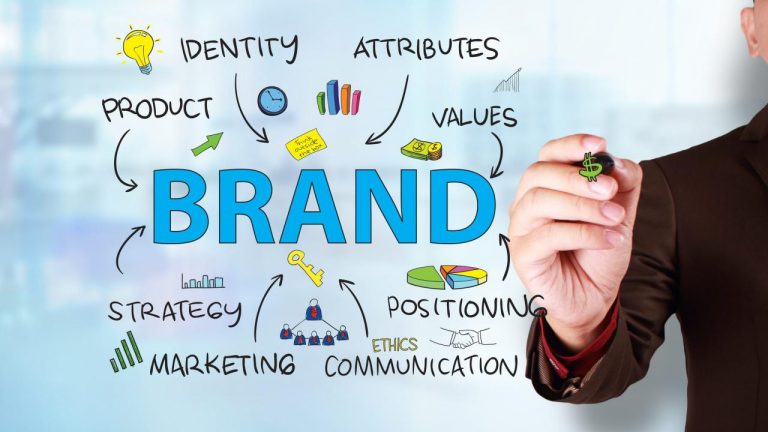
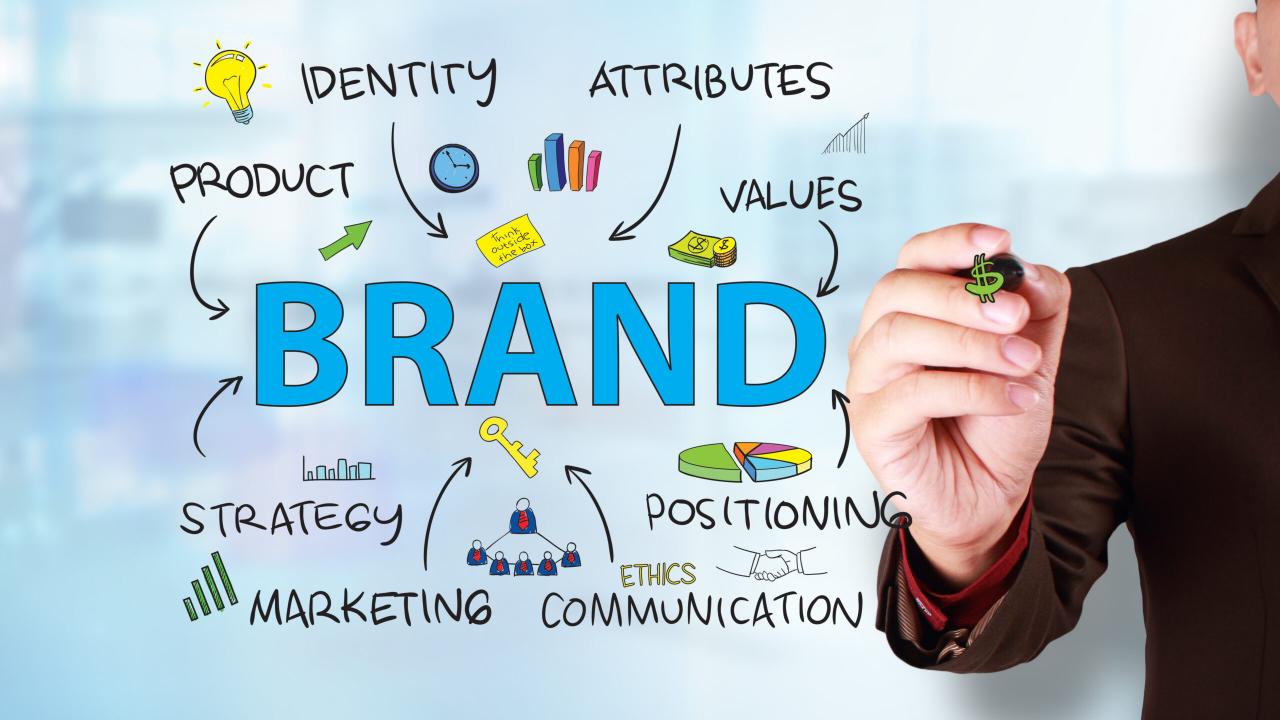
9 Top Brand Positioning Facts and Tips - Your Brand is more than a logo

As the demand for personalized and branded plastic products continues to rise, the technology surrounding branding irons for plastic is also evolving. Emerging trends are shaping the way these tools are designed and utilized, paving the way for innovative applications that enhance both functionality and sustainability.The future of branding irons for plastic lies in the integration of advanced technologies and sustainable practices.

With a growing focus on environmental responsibility, manufacturers are exploring new ways to create branding solutions that not only perform well but also minimize their ecological footprint. This shift towards sustainability, combined with advancements in design and functionality, is expected to redefine how branding is approached in the plastic industry.

Emerging Technologies in Branding for Plastic Materials

New technologies are transforming the branding process, making it more efficient and effective. One significant trend is the adoption of laser branding, which utilizes focused light beams to engrave designs onto plastic surfaces. This method offers precision and versatility, allowing for intricate designs that traditional branding irons may struggle to achieve. Additionally, as laser systems become more affordable, they are becoming increasingly accessible to small businesses and hobbyists.Another exciting development is the rise of digital branding solutions.

These include programmable branding irons that can store multiple designs and settings. Users can easily switch between different branding styles without the need for multiple tools, streamlining the process for those who require frequent changes. Furthermore, the incorporation of smart technology is emerging, allowing branding irons to connect to mobile apps for real-time temperature control and design management.

Sustainable Practices in Branding Plastic Products

Sustainability is becoming a crucial consideration in branding plastic products. As consumers increasingly demand eco-friendly options, manufacturers are adopting sustainable practices in their branding processes. This includes the use of biodegradable or recyclable materials for branding irons, as well as minimizing waste during production.One significant practice gaining traction is the use of eco-friendly inks and dyes for branding. Traditional inks can contain harmful substances, but new formulations made from natural sources are safer for both the environment and the end-user.

Additionally, companies are exploring methods to reduce energy consumption during the branding process, such as using heat-efficient technologies that require less energy to operate.

Advancements in the Design and Functionality of Branding Irons

The design of branding irons is also undergoing significant transformation to enhance user experience and effectiveness. Ergonomic designs are being prioritized to ensure that users can operate the tools comfortably for extended periods. Moreover, innovations like heat-resistant handles and adjustable tips allow for greater control and safety when branding various types of plastic.Functionality improvements include the development of multi-functional branding tools that can not only brand but also emboss or deboss materials.

This versatility enables creators to add unique textures and designs to their products, expanding the creative possibilities.In terms of portability, compact and battery-operated branding irons are becoming more popular. These designs cater to on-the-go branding needs, making it easier for artisans and small-scale manufacturers to bring their branding projects to life anywhere.Overall, the future of branding irons for plastic is bright, driven by technological advancements and a commitment to sustainability that benefits both businesses and consumers alike.

End of Discussion

In summary, mastering the use of branding iron for plastic can unlock new possibilities in product personalization and branding strategies. With the right tools, techniques, and a bit of creativity, you can make a lasting impression in your industry and effectively communicate your brand’s identity through your products.

Essential Questionnaire

What materials can be used with branding irons for plastic?

Branding irons work well with a variety of plastic types, including polyethylene, polypropylene, and acrylic.

How do I maintain my branding iron for plastic?

Cleaning your branding iron after each use and storing it in a cool, dry place will help prolong its lifespan.

Can I use a branding iron on soft plastics?

Yes, but it’s important to adjust the temperature and pressure to avoid warping or damaging the material.

Is there a specific temperature for branding plastic?

Typically, a temperature range of 350°F to 450°F is effective for most plastics, but always check the manufacturer’s guidelines.

Are there eco-friendly options for branding irons?

Yes, some branding irons are designed with energy-efficient features and sustainable materials to reduce environmental impact.

Mastering the art of heating branding irons for wood requires careful consideration of various factors. This guide delves into the essential steps, from selecting the right iron and preparing the wood to understanding the nuances of different heating methods and achieving precise temperature control. It’s a process that blends artistry with technical precision, ensuring your branding projects are both beautiful and lasting.

Whether you’re a seasoned crafter or a beginner, this comprehensive guide equips you with the knowledge and practical advice needed to effectively heat and use your branding iron for wood. We’ll explore the advantages and disadvantages of different heating methods, providing insights into safety precautions and maintenance. Ultimately, your understanding of the entire process will contribute to a smooth and successful branding experience.

Heating Methods

Heating branding irons effectively requires careful consideration of the chosen method. Different approaches offer varying degrees of control, speed, and safety, impacting the overall branding process. Understanding the advantages and disadvantages of each method is crucial for achieving optimal results.

Comparative Analysis of Heating Methods

Various methods are available for heating branding irons, each with its own set of characteristics. A comparative analysis highlights the strengths and weaknesses of each approach.

Propane Torches

Propane torches are a common choice for heating branding irons due to their portability and relatively quick heating times. They provide a direct heat source, allowing for rapid temperature adjustments. However, maintaining consistent temperature and achieving precise control can be challenging. The open flame nature presents potential safety hazards.

Electric Heating Elements

Electric heating elements offer a more controlled and consistent heat source compared to propane torches. The regulated temperature output allows for greater precision in achieving the desired branding temperature. Electric setups often require more substantial initial investment and setup time. They also generate heat within an enclosed area, reducing the risk of open flame hazards.

Induction Heating

Induction heating utilizes electromagnetic fields to generate heat within the iron itself. This method offers exceptionally fast heating cycles, and the controlled nature of the induction process enables precise temperature regulation. It also minimizes the risk of open flames and potential accidental burns. Induction heating systems can be more expensive than other methods.

Comparative Table

Method Pros Cons Safety Guidelines
Propane Torch Portability, relatively fast heating Inconsistent temperature, potential for flame-related hazards, less precise temperature control Always use in a well-ventilated area. Ensure proper shielding to prevent accidental burns. Keep flammable materials away from the heat source. Never leave the torch unattended.
Electric Heating Element Consistent temperature, controlled heating, reduced risk of open flame Slower heating times, more setup time, potentially higher initial investment Ensure proper grounding and insulation. Use appropriate safety features (e.g., thermal cut-offs). Avoid using in wet environments.
Induction Heating Extremely fast heating, precise temperature control, minimal risk of open flames Higher initial cost, specialized equipment needed Follow manufacturer’s instructions carefully. Use appropriate safety gear (e.g., heat-resistant gloves). Regular maintenance is crucial.

Temperature Control and Monitoring

Precise temperature control is critical when heating branding irons for wood. Variations in temperature can significantly affect the quality of the brand and potentially damage the wood. Maintaining the correct temperature ensures consistent results and prevents scorching or under-branding. Achieving this involves careful monitoring and calibration of the heating equipment.

Importance of Precise Temperature Control

Maintaining a precise temperature is paramount for achieving a high-quality brand. Too low a temperature may result in a faint or unclear brand, while too high a temperature can lead to scorching or charring of the wood, potentially causing irreversible damage. A precise temperature allows for consistent results, regardless of the type of wood being branded.

Temperature Gauge and Monitoring Equipment

Temperature gauges are essential tools for monitoring the branding iron’s temperature. Digital thermometers offer precise readings and often have automatic shut-off features for safety. Thermocouples are another reliable option, providing real-time temperature data. Using appropriate equipment ensures accurate readings and allows for adjustments as needed.

Calibration of Temperature Measuring Instruments

Calibration is a crucial step in ensuring accuracy. Temperature gauges should be regularly calibrated against a known standard, such as a calibrated thermometer. This helps to identify and correct any inaccuracies in the gauge’s readings. Calibration procedures should follow manufacturer recommendations. Deviation from these procedures can lead to inaccurate readings, impacting the quality of the branding process.

Monitoring the Iron’s Temperature During Heating

A step-by-step procedure for monitoring the iron’s temperature during heating is essential.

  1. Preheating and Initial Check: Turn on the heating source and monitor the temperature gauge. Ensure the heating source is set to the appropriate temperature range for the branding iron. Check the temperature initially and note the readings. This initial check provides a baseline for subsequent monitoring.
  2. Continuous Monitoring: Monitor the temperature gauge frequently throughout the heating process. Record the readings at regular intervals, such as every 5 minutes, to observe the heating rate. Careful monitoring helps to identify any deviations from the desired temperature.
  3. Reaching Target Temperature: Once the iron reaches the target temperature, note the precise reading. Maintain this temperature for the duration of the branding process. Maintain consistency to achieve the desired brand quality.
  4. Post-Branding Check: After completing the branding process, record the final temperature reading. Observe the iron’s temperature as it cools down. This final check provides an understanding of the iron’s cooling rate.
  5. Calibration Check: Regularly calibrate the temperature gauge to ensure accuracy over time. This proactive measure minimizes inaccuracies in future readings. This is essential for consistent results throughout the branding process.

Iron Selection and Preparation

Selecting the right branding iron and preparing it properly is crucial for successful wood branding. The correct iron, meticulously prepared, ensures a clean, crisp impression and minimizes the risk of damage to the wood or the iron itself. Careful consideration of material, size, and design, coupled with proper cleaning and maintenance, are essential steps to achieving optimal results.Choosing the right iron, like choosing any tool, involves understanding its intended use and the specific wood being branded.

Different woods react differently to heat, and the appropriate iron size and design can influence the outcome. Safety precautions, including protective gear, are paramount during the entire process.

Types of Branding Irons

Various materials are used in crafting branding irons. Common materials include high-carbon steel, stainless steel, and specialized alloys. High-carbon steel is known for its excellent heat retention and ability to create sharp impressions. Stainless steel is more resistant to rust, making it a suitable option for those working in humid conditions or who require the iron to last longer.

Specialized alloys are sometimes used to provide specific heat properties, such as improved temperature retention or a unique branding design.

Characteristics to Consider

Several characteristics are essential when selecting a branding iron. The material of the iron, as previously discussed, directly affects its heat retention and longevity. Size is critical; a larger iron will produce a larger impression, while a smaller one is better for finer details. The design of the iron, including its handle shape and the shape of the branding surface, also impacts the ease of use and the quality of the impression.

Iron Preparation

Proper preparation of the iron before heating is essential for consistent and safe branding. Thoroughly cleaning the iron with a wire brush or steel wool removes any rust, scale, or debris that could affect the heating process. This step also ensures a clean impression on the wood. Inspect the iron’s surface for any imperfections or damage. Any damage to the branding surface should be addressed before use.

Ensure the handle is secure and comfortable to grip, minimizing the risk of slippage or burns.

Protective Gear

Using appropriate protective gear is crucial for safety during the heating and branding process. Heat-resistant gloves and eye protection are essential. A face shield or welding mask can provide additional protection from sparks or molten metal. These measures are vital in preventing burns and other injuries. Wear appropriate clothing that will protect against any potential contact with the hot iron.

Wood Preparation

Proper wood preparation is crucial for successful heat branding. A well-prepared surface ensures even heat transfer, preventing uneven markings and potential damage to the wood. The process involves careful consideration of the wood type, moisture content, and surface cleanliness.Wood types vary in their reaction to heat, and understanding these differences is critical for achieving a successful outcome. Different wood densities and inherent structures will influence how the branding iron interacts with the surface.

Moisture content plays a significant role as well, impacting the wood’s ability to absorb and dissipate heat. These factors will dictate the necessary adjustments in the branding process.

Surface Preparation Methods

Careful surface preparation minimizes inconsistencies and maximizes the quality of the branding. The key is to remove any irregularities, ensuring a smooth and even surface for the branding iron to contact. This step is crucial for achieving a clean and professional-looking brand.

  • Cleaning the Surface: Thoroughly clean the wood surface to remove dust, debris, and any previous coatings. Use appropriate cleaning agents and methods that do not damage the wood’s structure. A soft brush or a slightly damp cloth can be effective, followed by a thorough wipe with a clean, dry cloth. Avoid abrasive materials that could scratch the surface.
  • Smoothing the Surface: After cleaning, smooth any rough or uneven areas of the wood using fine-grit sandpaper. This step ensures the branding iron contacts a uniform surface. Start with a slightly coarser grit and progressively move to finer grits until a smooth finish is achieved. Careful sanding is key to a professional-looking brand.
  • Drying the Surface: Allow the wood surface to completely dry before applying the branding iron. Moisture can lead to inconsistent heat transfer and potentially damage the wood. Using a clean, dry cloth to wipe the surface and ensure all moisture is removed is recommended.

Wood Type Considerations

Different wood types react differently to heat branding due to variations in their density, moisture content, and inherent structure.

  • Hardwoods: Hardwoods, like oak or maple, generally require higher temperatures for branding and have a tendency to char or scorch more easily than softwoods. The denser structure of hardwoods needs more intense heat to create a visible mark. Careful monitoring and adjustment of the iron’s temperature are vital to prevent damage to the wood.
  • Softwoods: Softwoods, such as pine or cedar, are typically easier to brand due to their lower density. The lower density and moisture content allow for the transfer of heat to create a brand more quickly and with less risk of burning or scorching the surface. However, careful monitoring of the temperature and branding pressure is still essential.

Moisture Content Influence

The moisture content of the wood significantly impacts its response to the branding iron. Higher moisture content can lead to uneven heat distribution and potentially damage the wood.

  • Dry Wood: Dry wood is preferable for branding. The lower moisture content allows for better heat transfer and prevents excessive steam buildup during the branding process. This leads to more defined and lasting brands. A wood moisture meter can help determine the optimal moisture content for successful branding.
  • Wet Wood: Wet wood may result in steaming and uneven branding. The presence of moisture can lead to undesirable results and damage to the wood. In such cases, allow the wood to dry completely before proceeding with the branding process.

Branding Techniques and Design

Heat branding, when executed correctly, can yield a striking and lasting aesthetic on wood. Careful consideration of technique, design, and safety protocols ensures a professional outcome and protects the integrity of the piece. This section details essential aspects of the branding process, focusing on consistent application and optimal design choices.

Branding Application Techniques

Careful application of the branding iron is crucial for achieving a high-quality result. Maintaining consistent pressure and speed throughout the branding process directly impacts the quality of the mark. Uneven pressure leads to an unevenly heated brand, while erratic speed creates an inconsistent burn.

  • Maintaining Consistent Pressure: A steady, controlled pressure is paramount. This ensures even heat transfer to the wood, preventing scorching or uneven marks. Practice with a test piece is essential to develop a feel for the ideal pressure required for different wood types and iron temperatures.
  • Maintaining Consistent Speed: Uniform movement of the branding iron across the wood is key. A consistent speed prevents dragging or lingering in one spot, ensuring a crisp, clean brand. Adjusting speed based on the thickness and type of wood is also critical for a well-defined result.
  • Even Heat Distribution: The application of even heat is critical for a clear and effective brand. Uneven heating leads to a blurry or inconsistent mark. Maintaining the iron’s contact with the wood for a controlled duration, within the limits dictated by the wood type and the iron’s temperature, is vital.

Design Considerations and Safety

Effective branding designs enhance the piece’s aesthetic appeal. Careful consideration of the wood’s grain and the overall design concept is important. Safety precautions are essential to prevent accidents.

  • Design Considerations: Consider the wood’s grain and the overall design when choosing a brand. The design should complement the wood’s natural characteristics and the piece’s intended purpose. A symmetrical or geometric design can create a balanced and visually appealing brand. Complex designs might require several passes with the iron.
  • Safety Precautions: Safety must be paramount during the entire process. Always use appropriate heat-resistant gloves and eye protection. Work in a well-ventilated area to avoid inhaling potentially harmful fumes. Ensure the wood is securely fastened to prevent accidental movement during branding.

Types of Branding Designs and Applications

Different branding designs cater to diverse applications and aesthetic preferences. Consider the intended message and the piece’s overall design when selecting a brand.

Design Type Description Application
Geometric Simple shapes like circles, squares, or triangles. Accentuating functional pieces, adding a contemporary aesthetic.
Floral Intricate designs inspired by flowers or leaves. Adding an organic touch to furniture, decorative items.
Monograms/Initials Personalized designs using letters or initials. Adding a personalized touch to items like furniture or gift pieces.
Logos/Symbols Brands or logos imprinted. Creating custom designs on branded products.

Branding Strategy

Crafting a compelling brand identity is crucial for the success of any wood craft business. A strong brand differentiates your products, connects with your target audience, and builds a loyal customer base. This section explores effective branding strategies, including targeted marketing and the creation of a memorable brand image.Effective branding is more than just a logo; it encompasses the entire experience a customer has with your products and your company.

It’s the story you tell, the values you represent, and the perception you cultivate. A well-defined brand strategy helps you stand out in a competitive market and fosters customer loyalty.

Target Audience Identification

Understanding your target audience is paramount for crafting a successful branding strategy. Different customer segments have varying needs, preferences, and motivations. Thorough market research and analysis are essential to identify these segments and tailor your branding to resonate with each group. For instance, a brand targeting environmentally conscious consumers might emphasize sustainable sourcing and eco-friendly production methods.

Branding for Product Differentiation

A strong brand helps differentiate your wood crafts from competitors. This is achieved by emphasizing unique features, craftsmanship, and storytelling. For example, a brand focused on intricate hand-carved designs can highlight the artistry and skill involved in each piece. High-quality materials and unique techniques can also be highlighted to create a unique selling proposition (USP).

Memorable Brand Image Creation

Creating a memorable brand image involves a cohesive approach to visual identity, messaging, and overall customer experience. Consistency in brand elements, such as color palettes, typography, and imagery, creates a recognizable and impactful visual presence. The brand story, conveyed through compelling narratives and messaging, should connect emotionally with your target audience.

Branding Strategies and Sales Impact

A well-structured branding strategy can significantly impact sales by fostering brand recognition and loyalty. The table below illustrates various strategies and their potential outcomes:

Strategy Description Benefits Limitations
Artisan-focused Branding Emphasizes the handcrafted nature and skill of the creator. Builds trust, appeals to customers valuing quality craftsmanship. May limit production scale and potentially increase costs.
Eco-conscious Branding Highlights sustainable practices and eco-friendly materials. Attracts environmentally conscious customers. Requires careful documentation and verification of sustainability claims.
Modern Minimalist Branding Focuses on clean lines, simple designs, and modern aesthetics. Appeals to contemporary design preferences. May not resonate with customers who prefer more ornate designs.
Luxury Branding Emphasizes high-quality materials, intricate designs, and exclusivity. Targets customers willing to pay a premium for exceptional quality. Requires significant investment in materials and production.

Troubleshooting and Maintenance

Proper maintenance and troubleshooting are crucial for ensuring the longevity and consistent performance of your branding iron. Ignoring potential issues can lead to damage, reduced effectiveness, and even safety hazards. Following these guidelines will help prevent problems and keep your equipment running smoothly.

Common Heating Issues

Troubleshooting heating problems is essential for efficient branding. Understanding the potential causes and solutions will help prevent delays and ensure consistent results.

  • Slow Heating Time: Insufficient power supply or a faulty heating element can lead to prolonged heating times. Check the electrical connections and ensure the iron is properly plugged into a suitable outlet. If the problem persists, consider contacting a qualified electrician to diagnose and resolve any underlying electrical issues.
  • Uneven Heating: Uneven heat distribution can result in inconsistent branding and potentially damage the iron. Ensure the heating element is properly insulated and not obstructed. Inspect the heating element for any cracks or damage. A faulty temperature control mechanism may also cause uneven heating; calibrate the temperature control device if necessary.
  • Overheating: Overheating can damage the iron or cause safety hazards. Ensure that the iron is properly insulated and not exposed to excessive heat. Overheating can also be a symptom of an underlying problem. If the iron overheats frequently, consult a technician for diagnosis and repair.

Iron Selection and Preparation

Proper iron selection and preparation contribute to the overall success of the branding process.

  • Material Compatibility: Select an iron appropriate for the material being branded. Different materials require different types of irons, ensuring consistent results. For instance, softer woods might require a lighter iron than hardwoods, to prevent damage. The correct choice of iron is key to preventing damage to the iron itself and achieving the desired branding result.
  • Proper Cleaning: Regular cleaning is essential to maintain the iron’s effectiveness and prevent build-up of residue, which can affect heating and branding quality. After each use, carefully clean the iron to remove any burnt material or debris. Ensure that the cleaning method does not damage the heating element or the surface of the iron.

Temperature Control and Monitoring

Accurate temperature control is crucial for optimal branding results and prevents damage to the wood or iron.

  • Calibration: Regularly calibrate the temperature control mechanism to maintain accurate readings and ensure consistent branding temperatures. Consult the manufacturer’s guidelines for calibration procedures. Inaccurate temperature readings can result in inconsistent results, potentially damaging the wood or the iron.
  • Monitoring: Monitor the temperature during the heating process to ensure it reaches the desired level. Using a reliable thermometer is essential for precise temperature monitoring. Careful monitoring will prevent inconsistencies in the branding process.

Branding Techniques and Design

Precise branding techniques are vital for achieving the desired outcome.

  • Iron Pressure: Maintaining consistent pressure during branding is important for producing clear and even marks. Too much pressure can damage the wood or the iron; too little can result in an indistinct brand. Practice is key to finding the optimal pressure for each type of wood.
  • Branding Time: Ensure that the branding time is appropriate for the material and the desired depth of the brand. Too short a time can result in a weak brand, while excessive time can damage the wood or the iron.

Safety Considerations

Working with hot branding irons demands meticulous attention to safety protocols. Neglecting these precautions can lead to severe injuries and damage to property. Adhering to these guidelines ensures a safe and productive branding experience.Thorough understanding and meticulous execution of safety procedures are paramount when handling hot branding irons. This involves not only individual precautions but also the establishment of a safe workspace environment.

Protective Gear

Proper personal protective equipment (PPE) is crucial to mitigate risks associated with high temperatures and potential accidents. This includes a comprehensive approach to safeguard the user’s well-being.

  • Gloves: Heat-resistant gloves are essential to prevent burns during the heating, handling, and branding process. Leather or specialized heat-resistant materials offer optimal protection. Choose gloves that completely cover the hands and wrists for maximum safety.
  • Eye Protection: Sparks and hot metal fragments can cause eye injuries. Safety glasses or goggles with side shields are recommended to prevent potential damage. Ensure the eye protection fits securely and comfortably.
  • Clothing: Wear flame-resistant clothing to minimize the risk of accidental ignition. Loose-fitting clothing, particularly around the arms and legs, can reduce the risk of contact with the hot iron.

Workspace Safety

Maintaining a secure and organized workspace minimizes the risk of accidents. A well-managed environment is vital for a safe branding operation.

  • Fire Safety: Ensure a fire extinguisher is readily available and properly maintained. Keep flammable materials, such as solvents or paper, away from the branding area. Establish a designated fire safety plan.
  • Clear Workspace: Keep the branding area clear of obstructions to prevent tripping hazards and maintain a clear path for movement. This will minimize the chance of accidents occurring.
  • Ventilation: Adequate ventilation is crucial to mitigate the risks of inhaling fumes or particles generated during the heating process. Ensure good air circulation in the workspace.

Handling Accidents

Having a plan in place for potential accidents is crucial. A proactive approach minimizes the severity of any incident.

  • First Aid: Familiarize yourself with basic first aid procedures for burns. Maintain a readily accessible first-aid kit stocked with appropriate supplies, such as burn ointment, antiseptic wipes, and bandages.
  • Emergency Procedures: Know the emergency contact information for local medical facilities. Establish a clear communication system for reporting accidents and injuries.

Iron Handling

Correct iron handling procedures are crucial to prevent accidents. A systematic approach to handling is paramount.

  • Grasping: Use heat-resistant gloves to grasp the iron securely. Avoid gripping the iron too tightly or loosely, maintaining a secure but not forceful grip.
  • Movement: Move the iron carefully and deliberately, especially when carrying it from one location to another. Avoid abrupt movements or collisions.

Final Review

In conclusion, heating a branding iron for wood is a multifaceted process that demands attention to detail and a deep understanding of the tools and materials. By carefully selecting your iron, preparing the wood, controlling the heat, and mastering the techniques, you can achieve exceptional results. This comprehensive guide offers a roadmap to success, ensuring your woodcrafts are not only functional but also beautifully branded.

The safety measures Artikeld are crucial for a risk-free experience.

FAQ Compilation

What are the most common types of branding irons?

Different materials like steel, brass, or copper are used to create branding irons. The choice depends on the specific wood type and desired effect.

How long should I heat the iron?

Heating time depends on the iron’s material and size. Always consult the manufacturer’s instructions for precise guidelines.

What if the wood catches fire?

Immediately remove the iron and smother the flames with a fire extinguisher or a damp cloth. Ensure your workspace has appropriate fire safety measures in place.

Can I use a gas stove to heat the branding iron?

While possible, using a gas stove isn’t recommended due to the lack of precise temperature control and potential safety hazards. Consider propane torches or electric heating elements for better results.

Marketing is more than just advertising; it’s a multifaceted discipline crucial for business success. This guide delves into the core principles of marketing, providing clear definitions and practical examples. From understanding the historical evolution of marketing strategies to exploring successful and unsuccessful campaigns, we’ll unpack the essential elements of a winning marketing approach.

We’ll examine different marketing strategies, including digital, content, social media, and email marketing. A key focus will be on understanding target audiences and employing effective branding strategies. This comprehensive guide also explores the marketing mix (4Ps), essential metrics, and how to apply them in real-world scenarios.

Defining Marketing

Marketing is the process of identifying, anticipating, and satisfying customer needs and wants profitably. It encompasses a broad range of activities aimed at building strong relationships with customers and driving revenue growth for a company. A successful marketing strategy considers the entire customer journey, from initial awareness to post-purchase engagement.Marketing is more than just advertising; it’s a holistic approach that integrates various elements to achieve business objectives.

It’s about understanding the target audience, developing compelling messages, and creating impactful experiences that resonate with consumers. The core principles of marketing revolve around understanding the market, creating value, and delivering exceptional customer experiences.

Core Principles of Marketing

Marketing fundamentally rests on four key pillars, often referred to as the marketing mix or the 4Ps: product, price, place, and promotion. Understanding and effectively managing these elements is crucial for achieving marketing goals.

  • Product: The product aspect of marketing involves developing a product or service that satisfies customer needs and wants. This includes product design, features, quality, branding, and packaging. A well-defined product strategy considers factors like target audience preferences, market trends, and competitive offerings.
  • Price: Pricing strategies are vital for profitability and market positioning. Factors like production costs, market demand, competitor pricing, and perceived value influence pricing decisions. Determining the right price requires careful analysis and consideration of various market dynamics.
  • Place: Effective distribution channels are essential for making products accessible to target customers. This includes considering the availability of products in stores, online platforms, or through other channels. Efficient logistics and supply chain management are key aspects of the place element.
  • Promotion: Promoting products or services involves creating awareness, generating interest, and encouraging purchase decisions. This includes advertising, public relations, sales promotions, and direct marketing efforts. Choosing the right promotional mix depends on factors like target audience characteristics and budget constraints.

Evolution of Marketing Strategies

Marketing strategies have evolved significantly over time, reflecting changing consumer behaviors, technological advancements, and market dynamics. Early marketing focused primarily on product promotion and sales, whereas modern marketing emphasizes building long-term customer relationships and value creation.

  • Early marketing emphasized product promotion and sales. Mass production and limited consumer choices characterized this era.
  • The rise of consumerism and marketing research introduced a customer-centric approach. Understanding consumer needs became a priority.
  • Technological advancements, such as the internet and social media, have transformed marketing strategies, creating opportunities for personalized communication and targeted campaigns.

Marketing Approaches: Strengths and Weaknesses

The following table highlights different marketing approaches and their respective advantages and disadvantages.

Marketing Approach Strengths Weaknesses
Digital Marketing Targeted advertising, measurable results, cost-effectiveness, global reach Requires technical expertise, susceptibility to algorithm changes, potential for spam or irrelevant content
Content Marketing Builds brand authority, attracts organic traffic, fosters engagement, establishes thought leadership Time-consuming, requires consistent effort, difficult to measure immediate ROI, may not always generate immediate leads
Social Media Marketing Direct engagement with customers, brand building, viral potential, real-time feedback Requires continuous monitoring and management, susceptibility to negative feedback, algorithms can shift and impact visibility

Key Elements for a Successful Marketing Campaign

Several critical elements contribute to the success of a marketing campaign. A comprehensive strategy that considers these factors increases the likelihood of achieving desired outcomes.

  • Clear Objectives: Defining specific, measurable, achievable, relevant, and time-bound (SMART) objectives provides direction and focus.
  • Target Audience Analysis: Understanding the target audience’s needs, preferences, and behaviors is essential for creating effective marketing messages.
  • Compelling Messaging: Crafting clear, concise, and persuasive messages that resonate with the target audience is crucial.
  • Effective Budget Allocation: Strategically allocating resources to different marketing activities ensures optimal ROI.
  • Consistent Brand Messaging: Maintaining a consistent brand image and message across all platforms reinforces brand identity and recognition.

Marketing Examples

Marketing isn’t just about crafting catchy slogans; it’s about understanding and connecting with your target audience. Successful campaigns are built on a deep understanding of consumer needs and desires, employing various strategies to achieve specific goals. Conversely, campaigns that falter often reveal a disconnect between strategy and execution. This section delves into successful and unsuccessful campaigns, offering practical examples and a detailed marketing plan for a fictional product.Effective marketing requires a multifaceted approach, integrating various techniques.

A strong marketing plan considers multiple touchpoints, from social media engagement to targeted advertising, all aimed at maximizing brand awareness and driving sales.

Successful Marketing Campaigns

Successful marketing campaigns often resonate with a specific target audience, leveraging cultural trends and current events to connect with consumers on a deeper level. These campaigns demonstrate a nuanced understanding of the target audience’s values and preferences.

  • Dove’s “Real Beauty” campaign: This campaign successfully challenged traditional beauty standards by featuring diverse women in their advertisements. The campaign’s impact transcended mere product promotion, fostering a positive social conversation about body image and self-acceptance.
  • Nike’s “Just Do It” campaign: This campaign’s enduring success lies in its ability to tap into the aspirations and motivations of its target audience. By associating the brand with athletic achievement and personal accomplishment, Nike fostered a strong emotional connection with consumers.
  • Red Bull’s “Stratos” campaign: This high-profile campaign involved a record-breaking skydive, creating significant media buzz and driving brand awareness. The daring stunt, coupled with strong storytelling, positioned Red Bull as a brand associated with extreme sports and pushing boundaries.

Failed Marketing Campaigns

Failures in marketing campaigns often stem from a lack of understanding of the target audience or a misalignment between marketing objectives and execution.

  • Pepsi’s Kendall Jenner ad: This campaign, featuring a celebrity in a seemingly peaceful protest, was met with widespread criticism for its perceived insensitivity and superficial representation of social issues. The campaign missed the mark in its portrayal of complex social issues and was seen as tone-deaf.
  • New Coke: This campaign aimed to introduce a new formula for Coke, but ultimately failed due to strong consumer resistance to change. The failure underscored the importance of understanding consumer loyalty and the risks associated with disrupting established preferences.

Marketing Plan Example: “EcoFlow” Portable Power Station

This example Artikels a comprehensive marketing plan for EcoFlow, a portable power station for renewable energy.

  • Target Audience: Eco-conscious consumers, outdoor enthusiasts, and homeowners seeking resilience against power outages.
  • Marketing Objectives: Increase brand awareness, generate leads, and drive sales within the first quarter.
  • Marketing Strategies:
    • Social Media Marketing: Engage with influencers in the outdoor and sustainability sectors.
    • Content Marketing: Create blog posts and videos highlighting the benefits of renewable energy and the EcoFlow’s features.
    • Paid Advertising: Target ads to specific demographics on social media platforms and search engines.
    • Partnerships: Collaborate with outdoor retailers and camping equipment providers.
  • Budget Allocation: Allocate budget across different marketing channels based on projected ROI.
  • Measurement and Evaluation: Track key metrics such as website traffic, social media engagement, and sales conversions.

Comparison of Marketing Strategies

Different marketing strategies cater to specific business-to-consumer (B2C) and business-to-business (B2B) needs.

Marketing Strategy Target Audience Typical Approach
B2C Individual consumers Focus on emotional connection, branding, and mass reach
B2B Businesses and organizations Focus on problem-solving, trust, and long-term relationships

Marketing Strategies

Effective marketing strategies are crucial for businesses to connect with their target audience, build brand awareness, and drive sales. A well-defined strategy, informed by market research and a deep understanding of the target audience, can significantly impact a company’s bottom line. Different strategies cater to various marketing objectives and target audiences.Various approaches can be used to reach and engage potential customers.

These strategies range from traditional methods like print advertising to modern digital channels. Understanding the nuances of each strategy and its potential impact is key to achieving marketing objectives.

Different Marketing Strategies

Different marketing strategies offer distinct advantages and disadvantages. Choosing the right approach depends on the specific goals, target audience, and budget of the company.

  • Digital Marketing: Leveraging online platforms to reach and engage customers is a crucial element of modern marketing. Digital marketing encompasses a wide array of activities, including search engine optimization (), social media marketing, email marketing, and paid advertising. Its strength lies in its ability to track results, personalize campaigns, and reach a global audience. However, it requires ongoing investment in technology and expertise to stay ahead of the curve.

    Examples include targeted ads on social media, optimization of website content, and email campaigns tailored to customer preferences.

  • Content Marketing: Creating and distributing valuable, relevant, and consistent content to attract and retain a clearly defined audience – and, ultimately, to drive profitable customer action. Content marketing builds trust and establishes authority, fostering long-term relationships with customers. Its effectiveness hinges on producing high-quality content that resonates with the target audience. Examples include blog posts, articles, videos, and infographics that provide valuable information related to a specific industry or niche.

  • Social Media Marketing: Utilizing social media platforms to interact with potential customers and build brand awareness is a critical element in modern marketing. Social media marketing allows for real-time engagement and fosters direct communication with the target audience. Its strength is its ability to build a community around a brand. However, maintaining a consistent presence and responding to comments and messages effectively is essential.

    Examples include running contests and giveaways, engaging in conversations, and sharing user-generated content.

  • Email Marketing: Email marketing is a direct marketing approach that leverages email to communicate with customers and prospects. Its strength lies in its ability to directly reach a specific audience with targeted messages. It’s a cost-effective way to nurture leads and drive conversions. However, ensuring email lists are maintained appropriately and avoiding spam filters is vital for success.

    Examples include newsletters, promotional emails, and transactional emails.

Comparing Marketing Strategies

A comparative analysis of different marketing strategies reveals their unique strengths and weaknesses. Strategic choices depend on the specific goals and resources of a company.

Marketing Channel Typical Cost-Effectiveness Strengths Weaknesses
Digital Marketing (, Social Media) Medium to High High reach, trackable results, adaptable, personalized Requires ongoing investment, competition, potential for algorithm changes
Content Marketing Medium Builds trust, establishes authority, long-term value Time-consuming, may not yield immediate results
Social Media Marketing Low to Medium Real-time engagement, community building Requires consistent effort, algorithm dependence
Email Marketing Low Direct communication, targeted messages, nurture leads Requires accurate list management, potential for spam filters

Importance of Market Research

Market research provides essential insights into the target audience, their needs, and preferences. It helps identify potential opportunities and challenges. Thorough market research is fundamental to developing effective marketing strategies that align with customer expectations and preferences.

Understanding Target Audiences

Understanding the target audience is essential for tailoring marketing messages and strategies to resonate with their needs and desires. A deep understanding of the target audience’s demographics, psychographics, and buying behaviors enables businesses to create marketing campaigns that are relevant and effective.

Branding Strategy

A strong brand strategy is the cornerstone of any successful business. It’s more than just a logo or a catchy tagline; it’s the overarching plan that shapes how your brand is perceived by customers. A well-defined strategy builds a recognizable identity, fosters customer loyalty, and sets your business apart from the competition. This comprehensive approach encompasses all aspects of the brand experience, from its visual identity to its customer interactions.A powerful brand identity not only enhances brand recognition but also cultivates a deep sense of trust and loyalty among customers.

Consistent brand messaging and visual cues create a strong, memorable impression, which is crucial in today’s crowded marketplace.

Defining Brand Identity

A brand identity is the sum total of all the elements that make up a brand, including its name, logo, design, tone of voice, and values. A compelling brand identity establishes a unique presence in the market, making it easily recognizable and memorable. It allows consumers to connect with the brand on an emotional level. This, in turn, drives customer loyalty and fosters a sense of community.

Building Brand Recognition

Strong brand recognition stems from consistent and effective brand communication. Customers who recognize a brand are more likely to trust and choose it over competitors. This recognition is achieved through the consistent use of brand elements across all marketing platforms, creating a unified and cohesive brand experience.

Consistent Branding Across Platforms

Maintaining a consistent brand identity across all platforms, including social media, websites, and physical stores, is vital for brand recognition and customer loyalty. Consistency in brand messaging, visual elements, and tone of voice builds trust and reinforces brand recall. It ensures a unified brand experience for customers, regardless of the interaction point.

Creating a Compelling Brand Story

A brand story is a narrative that encapsulates the brand’s values, mission, and vision. A compelling brand story evokes emotion and connects with customers on a personal level. It should highlight the brand’s unique value proposition and its journey, demonstrating its authenticity and commitment to its values. This narrative should be integrated into all brand communications to strengthen its emotional resonance with the target audience.

Key Elements of Brand Personality

A strong brand personality is characterized by a distinct tone of voice, a consistent message, and a clear visual identity. The tone and voice should align with the brand’s values and target audience, conveying a specific character or mood. The visual identity, including logos, color palettes, and typography, further reinforces the brand’s personality and strengthens its memorability.

Brand Building Techniques

Consistent brand messaging and visual identity are crucial for creating a lasting impact on consumers. This involves utilizing various brand building techniques, each with a unique impact on brand recognition.

Brand Building Technique Potential Impact
Content Marketing Builds trust and authority, engages the target audience, and drives organic traffic.
Social Media Marketing Increases brand awareness, fosters community engagement, and provides direct interaction with customers.
Public Relations Enhances brand reputation and credibility through positive media coverage and strategic partnerships.
Influencer Marketing Increases brand reach and engagement through endorsements from relevant influencers.
Event Marketing Creates memorable experiences, fosters brand engagement, and builds relationships with customers.

Brand Positioning

Brand positioning is the process of establishing a brand’s unique place in the market relative to its competitors. It involves identifying a specific niche or target audience and communicating how the brand uniquely addresses their needs and desires. This differentiation strategy is essential for standing out in a competitive environment. A strong brand position creates a distinct brand perception in the minds of customers.

Effective Branding Strategies

Numerous examples demonstrate the power of effective branding strategies across various industries. Nike’s focus on athleticism and empowerment, Apple’s emphasis on innovation and sleek design, and Coca-Cola’s association with happiness and celebration exemplify successful brand positioning. These strategies highlight the importance of understanding the target audience and crafting a compelling brand story.

Marketing Mix

The marketing mix, often summarized as the 4Ps, is a crucial framework for businesses to effectively reach their target audience and achieve marketing objectives. Understanding how these elements interact is vital for creating a cohesive and impactful marketing strategy. This framework provides a structured approach to developing a comprehensive marketing plan, ensuring a more tailored and successful outcome.The 4Ps—product, price, place, and promotion—represent interconnected elements that need careful consideration to optimize a marketing campaign.

Each element plays a distinct role, yet their combined impact drives success. A well-executed marketing mix results in a stronger brand presence, higher customer engagement, and ultimately, improved profitability.

Product

The product element encompasses the tangible or intangible offering that satisfies a customer’s need or want. This includes not only the physical attributes but also the brand image, packaging, and perceived value. A successful product strategy considers customer feedback, market trends, and competitor analysis. For example, a company might introduce new features, improve existing ones, or create entirely new product lines based on consumer preferences.

Price

Pricing strategy is a critical component of the marketing mix. It reflects the perceived value of the product or service to the customer. Factors influencing pricing strategies include production costs, market competition, customer demand, and desired profit margins. Pricing strategies aim to balance these factors to maximize profitability while remaining competitive. Competitive pricing, premium pricing, and value pricing are a few examples.

Place

The place element focuses on the distribution channels and methods through which a product or service reaches the customer. Effective distribution strategies ensure the product is readily available at convenient locations. This involves selecting appropriate channels, managing inventory, and optimizing logistics. For example, a company might choose to sell its products online, through retail stores, or via a combination of both.

Choosing the right distribution channels directly affects the reach and accessibility of the product.

Promotion

Promotion strategies are the methods used to communicate the value proposition of the product or service to the target audience. This includes advertising, public relations, sales promotions, and direct marketing. Effective promotion strategies create awareness, generate interest, and drive sales. For example, a company might use social media marketing, email campaigns, or television advertisements to reach its target market.

The goal is to connect with the customer in a way that effectively communicates the product’s value.

Interconnectedness of the 4Ps

The 4Ps are not independent entities; they are interconnected and influence each other. For instance, the price of a product directly impacts the promotion strategy. A premium-priced product might necessitate a more sophisticated promotional campaign than a product with a lower price point. Similarly, the distribution channels chosen for a product directly affect the target audience that can be reached.

A product sold exclusively online will reach a different customer base than a product sold in retail stores. The 4Ps work in harmony to create a unified marketing strategy.

Application to a Product: Coffee Shop

Consider a local coffee shop. Their product is coffee, pastries, and other beverages. Their price strategy might involve offering various price points for different types of coffee, emphasizing value-added options like loyalty programs, and catering to different customer segments. Their place might include strategically located shops in high-traffic areas and online ordering capabilities. Promotion could involve social media campaigns, partnerships with local businesses, and special events to attract customers.

All these elements must align to attract and retain customers.

Pricing Strategies

Pricing strategies are tailored to specific circumstances and market conditions. Factors influencing pricing strategies include cost of production, competition, perceived value, market demand, and desired profit margins. These elements are often considered in conjunction to determine the most effective approach for maximizing profitability. Different strategies may be applied in different situations, depending on the business’s overall objectives and market position.

Pricing Strategy Description Potential Effectiveness
Premium Pricing Setting a higher price for a product perceived as superior in quality or features. Effective for products with high perceived value, but can limit market reach.
Value Pricing Offering a balance between quality and price to attract a broad customer base. Highly effective for attracting a large customer base, often used by companies focused on high volume sales.
Penetration Pricing Setting a low initial price to gain market share quickly. Effective for quickly establishing market presence, but may result in lower profit margins in the short term.
Competitive Pricing Setting prices based on competitors’ pricing strategies. Can be effective for maintaining market share in a competitive environment, but may result in less differentiation.

Marketing Metrics

Understanding marketing performance is crucial for optimizing campaigns and achieving business objectives. Key metrics provide quantifiable data that reveals the effectiveness of different strategies and initiatives. By tracking and analyzing these metrics, businesses can identify areas for improvement and make data-driven decisions to enhance their marketing efforts.

Defining Key Marketing Metrics

Marketing metrics are quantifiable measurements used to assess the success of marketing campaigns and strategies. Crucial metrics include Return on Investment (ROI), Customer Lifetime Value (CLTV), and Conversion Rates. These metrics provide a comprehensive view of campaign effectiveness and overall marketing performance.

Return on Investment (ROI)

ROI measures the profitability of a marketing investment. It’s calculated by dividing the net profit generated by a marketing campaign by the total cost of the campaign. A higher ROI indicates greater efficiency and effectiveness.

ROI = (Net Profit / Cost of Campaign) – 100%

A company that spends $10,000 on a social media campaign and generates $15,000 in revenue would have an ROI of 50%. This indicates a positive return, suggesting the campaign was worthwhile.

Customer Lifetime Value (CLTV)

CLTV predicts the total revenue a customer will generate throughout their relationship with a company. It’s a critical metric for evaluating the long-term value of customer acquisition.

CLTV = Average Order Value x Purchase Frequency x Average Customer Lifespan

Calculating CLTV helps businesses prioritize customer retention strategies and understand the return on investment of acquiring new customers. For example, a customer who spends an average of $50 per purchase, makes 4 purchases a year, and maintains a relationship with the company for 5 years has a CLTV of $1000.

Conversion Rates

Conversion rates represent the percentage of website visitors who complete a desired action, such as making a purchase or signing up for a newsletter. High conversion rates indicate effective marketing messaging and a user-friendly website.

Conversion Rate = (Number of Conversions / Number of Visitors) – 100%

For example, if a website receives 1000 visitors and 50 of them make a purchase, the conversion rate is 5%. This metric helps optimize the website and marketing campaigns to encourage more desired actions.

Tracking and Analyzing Marketing Metrics

Regularly tracking marketing metrics is essential for evaluating campaign performance and identifying areas needing improvement. Tools like Google Analytics, CRM software, and marketing automation platforms can be used to collect and analyze data. The data should be consistently recorded and analyzed, allowing for the identification of patterns and trends.

Significance of Monitoring Marketing Metrics

Monitoring marketing metrics is crucial for measuring campaign effectiveness and understanding the impact of different strategies. This allows for real-time adjustments and optimizations to enhance campaign performance. It’s essential to monitor metrics consistently to ensure marketing campaigns are aligned with business objectives.

Data-Driven Insights for Optimization

Data-driven insights gleaned from marketing metrics allow businesses to optimize their strategies for better results. By identifying trends and patterns, businesses can tailor their marketing campaigns to resonate with their target audience more effectively.

Relationship between Marketing Metrics and Business Performance

Marketing Metric Potential Impact on Business Performance
ROI Improved profitability, efficient resource allocation, better campaign optimization
CLTV Increased customer retention, higher revenue generation, improved customer relationship management
Conversion Rates Enhanced website engagement, improved lead generation, increased sales

Wrap-Up

In conclusion, this exploration of marketing definition with example provides a robust framework for understanding and implementing effective marketing strategies. By grasping the key concepts and practical applications presented, businesses can develop more impactful campaigns. Remember that consistent monitoring of metrics and adaptation to changing market dynamics are crucial for long-term success.

Common Queries

What are some common mistakes in marketing campaigns?

Ignoring target audience needs, failing to track key metrics, and not adapting strategies to changing market trends are common pitfalls. Poorly defined brand messaging and inconsistent brand representation across platforms can also lead to campaign failures.

How can I measure the success of a marketing campaign?

Key metrics to track include return on investment (ROI), customer lifetime value (CLTV), conversion rates, and website traffic. Analyzing these metrics provides valuable insights into campaign effectiveness and areas for improvement.

What is the difference between B2B and B2C marketing?

B2B marketing focuses on businesses as customers, emphasizing relationship building and demonstrating value propositions. B2C marketing targets individual consumers, employing strategies like emotional appeals and creating memorable experiences.

How important is market research in marketing?

Market research is fundamental. It helps understand consumer needs, preferences, and behaviors, enabling businesses to tailor their products, services, and marketing strategies to resonate with the target audience.

Understanding branding and marketing costs is crucial for any business aiming to succeed in today’s competitive market. This guide delves into the multifaceted world of these expenses, offering a clear roadmap for effective budgeting and strategy.

From initial design and development to ongoing maintenance and campaign execution, we’ll explore the intricacies of various branding and marketing costs. We’ll analyze different approaches, examine cost-effective strategies, and provide real-world examples to illustrate how businesses can optimize their spending and maximize ROI.

Introduction to Branding and Marketing Costs

Branding and marketing costs encompass all expenses associated with building a brand identity and promoting products or services to target audiences. These costs are crucial for achieving business objectives, from increasing brand awareness to driving sales and ultimately achieving profitability. Effective cost management is essential for sustainable growth and profitability in today’s competitive market.Different types of expenses contribute to the overall branding and marketing budget.

These can range from upfront investments in brand development to ongoing costs for advertising, social media management, and customer relationship management. Understanding the various components and factors influencing these costs is critical for strategic planning and budgeting.

Different Types of Branding and Marketing Expenses

Various expenses contribute to the overall branding and marketing budget. These range from initial investments in brand development to ongoing costs associated with advertising, social media management, and customer relationship management. A comprehensive understanding of these expenses is essential for informed decision-making.

  • Brand Development Costs: These include expenses related to creating the brand identity, such as logo design, brand guidelines, and market research. Often these are one-time investments that establish the foundation for future marketing efforts.
  • Advertising Costs: These encompass expenses for print, digital, and broadcast advertising campaigns. Cost depends heavily on the chosen channels and campaign duration.
  • Public Relations Costs: These involve expenses for press releases, media outreach, and event management, which aim to build brand reputation and generate positive media coverage.
  • Social Media Marketing Costs: These include expenses for content creation, social media management tools, influencer marketing, and paid social media advertising.
  • Content Marketing Costs: These include expenses for creating and distributing valuable content such as blog posts, articles, videos, and infographics.
  • Sales Promotion Costs: These include expenses for promotional activities like discounts, coupons, contests, and trade shows. These are often used to boost sales in a specific time frame.
  • Customer Relationship Management (CRM) Costs: These involve expenses for software, tools, and personnel to manage customer interactions and build relationships.

Factors Influencing Budget Allocation

Several factors significantly impact how branding and marketing budgets are allocated. Understanding these factors is essential for effective planning and ensuring that resources are utilized optimally.

  • Target Audience: The specific characteristics of the target audience, such as demographics, interests, and online behavior, will significantly influence the channels and strategies used. Different audiences require tailored approaches.
  • Industry Competition: The level of competition in the industry dictates the level of investment needed to stand out and maintain market share. A highly competitive market may necessitate larger marketing budgets.
  • Marketing Objectives: The specific goals of the marketing campaign, such as brand awareness, lead generation, or sales growth, will directly influence the budget allocation. Different objectives demand varying resource allocation.
  • Marketing Channels: The chosen marketing channels (e.g., social media, search engine optimization, email marketing) and their associated costs play a crucial role in determining the overall budget.
  • Brand Positioning: The desired brand positioning and perception within the market will also influence budget allocation. A premium brand image may require higher investment in branding and marketing activities.

Common Branding and Marketing Cost Structures

Different businesses adopt various cost structures, reflecting their specific needs and strategies. Understanding these structures can help businesses allocate resources effectively.

  • Fixed Costs: These are consistent and predictable expenses, such as salaries, rent, and software subscriptions. They don’t vary based on marketing activities.
  • Variable Costs: These fluctuate depending on the level of marketing activities, such as advertising spend, content creation costs, and sales promotions.
  • Combined Structure: Many businesses use a combination of fixed and variable costs, adapting to changing market conditions and campaign needs.

Comparison of Marketing Channels and Costs

A comparative analysis of various marketing channels and their associated costs is presented in the table below. This table helps in making informed decisions about resource allocation.

Marketing Channel Description Typical Cost Range (per month/campaign)
Social Media Marketing Promoting brand and content across social media platforms $500 – $10,000+
Search Engine Optimization () Optimizing website content for search engines $500 – $10,000+
Paid Search Advertising (PPC) Running ads on search engines like Google $500 – $10,000+ (or more depending on bidding strategy)
Email Marketing Promoting products/services via email $100 – $10,000+
Content Marketing Creating and distributing valuable content $200 – $10,000+ (depending on the type and scope)

Cost Breakdown in Branding

How Much Does Branding Cost for Small Businesses?

Understanding the financial aspects of branding is crucial for effective strategy development and resource allocation. A comprehensive cost analysis allows businesses to accurately project expenditures, manage budgets, and ultimately achieve desired brand outcomes. This section delves into the key components of branding costs, outlining the implications of various strategies and providing practical estimation methods.Branding costs are not a fixed sum but are highly variable, influenced by factors like brand complexity, target audience, geographic reach, and the chosen branding strategies.

Accurate estimations require a detailed breakdown of each element, enabling informed decisions and a balanced approach to branding investments.

Key Components of Branding Costs

The cost of building and maintaining a brand encompasses a range of expenses, from initial design and development to ongoing implementation and management. These components include research, design, development, and implementation, each with specific cost implications.

  • Research: Market research, competitor analysis, and target audience profiling are crucial for developing a brand strategy that resonates with the desired customer base. The cost of research varies greatly, depending on the scope and complexity of the study. For instance, a simple survey might cost a few hundred dollars, while a comprehensive ethnographic study could reach several thousand.

  • Design: This involves creating the visual elements of the brand, including logos, color palettes, typography, and brand imagery. Design costs can vary significantly depending on the complexity of the design, the chosen design agency, and the number of deliverables required. A simple logo design can cost a few hundred dollars, whereas a comprehensive brand identity system could cost several thousand or even tens of thousands.

  • Development: This phase involves translating the brand strategy and design into tangible assets, such as websites, marketing materials, and brand guidelines. The cost of development depends on the complexity of the assets and the resources required. A basic website can cost several hundred dollars, while a custom-built e-commerce platform could cost tens of thousands or more.
  • Implementation: This encompasses the activities necessary to put the brand into action across various channels. Implementation costs can include marketing campaigns, public relations efforts, and employee training. Costs vary significantly depending on the scale and scope of the implementation activities.

Cost Implications of Different Branding Strategies

Different branding strategies, such as building a new brand from scratch, rebranding an existing brand, or focusing on specific market segments, each have distinct cost implications.

  • New Brand Development: Creating a completely new brand from the ground up usually involves significant upfront investment in research, design, development, and initial marketing campaigns. This can lead to higher overall costs compared to rebranding existing brands.
  • Rebranding: Rebranding an existing brand may involve significant costs associated with updating existing brand assets, retraining employees, and repositioning the brand in the market. Costs can be substantial, but often are lower than building a new brand from scratch.
  • Niche Branding: Focusing on a specific market segment can require tailored branding efforts, which might result in higher costs compared to a broader approach. The targeted approach may require specialized research, design, and marketing efforts.

Brand Identity Creation and Maintenance

The cost of brand identity creation encompasses the design, development, and implementation of the core visual elements that define a brand. Maintenance involves ongoing updates and refinement to ensure the brand remains relevant and consistent over time.

  • Creation: The cost of creating a comprehensive brand identity, including logo design, color palettes, typography, and brand guidelines, can range from a few hundred dollars to tens of thousands of dollars, depending on the complexity and scope of the project.
  • Maintenance: Ongoing maintenance involves updates to brand guidelines, ensuring consistency across various platforms, and staying abreast of evolving market trends. This involves regular updates to the brand guidelines, and ongoing monitoring of brand usage to ensure consistency.

Brand Guidelines and Brand Asset Management

Brand guidelines provide a standardized set of rules and instructions for using the brand identity elements across various platforms and materials. Brand asset management systems streamline the organization, storage, and distribution of brand assets.

  • Brand Guidelines: Developing brand guidelines documents the brand’s core values, visual identity, and usage guidelines. Costs associated with brand guidelines development depend on the complexity of the guidelines, the number of assets included, and the expertise required.
  • Brand Asset Management: Implementing a brand asset management system can range from a few hundred dollars for a basic system to several thousand dollars for a more comprehensive solution. The cost is influenced by the number of assets, features, and integration needs.

Estimating the Cost of Brand Awareness Campaigns

Brand awareness campaigns aim to increase public recognition and perception of a brand. The cost of such campaigns varies greatly, depending on the chosen channels, target audience, and desired reach.

  • Social Media Marketing: Social media campaigns can be relatively inexpensive, with costs depending on the chosen platforms, engagement strategies, and influencer collaborations.
  • Public Relations: Public relations activities, such as press releases and media outreach, can have variable costs depending on the media outlets targeted and the scope of the campaign.
  • Advertising: Advertising campaigns across various media platforms, such as television, radio, print, and digital, can be costly, with expenses depending on the target audience, campaign duration, and media placement.

Cost Breakdown in Marketing

Marketing costs can vary significantly depending on the chosen strategies, target audience, and overall business objectives. Understanding the components of these costs is crucial for effective budgeting and campaign optimization. A well-defined marketing budget allows businesses to allocate resources strategically, ensuring that investments yield the desired return on investment (ROI).Marketing costs encompass a broad spectrum of expenses, from advertising campaigns to content creation and social media management.

Careful planning and analysis of these costs are essential to avoid overspending and maximize the impact of marketing efforts.

Different Marketing Activity Costs

Understanding the costs associated with various marketing activities is essential for effective budget planning. Different strategies require varying levels of investment, and recognizing these differences allows for more informed decision-making. For example, a campaign focused on social media engagement might have lower costs than one emphasizing traditional print advertising.

  • Advertising Costs: Advertising costs can fluctuate depending on the chosen medium (television, radio, print, online). Online advertising, such as pay-per-click (PPC) campaigns on search engines or social media platforms, often involves bidding systems where costs vary based on competition and ad placement. Traditional advertising, including print ads in newspapers or magazines, typically involves fixed rates based on ad size and placement.

    The cost per thousand impressions (CPM) for various advertising platforms can also differ substantially.

  • Content Marketing Costs: Content marketing, which includes creating and distributing valuable content to attract and engage a target audience, incurs costs related to content creation (writing, design, photography), content promotion (social media sharing, ), and potential influencer collaborations. The cost of creating high-quality content, including professional writing and design services, can be substantial. However, the long-term benefits of establishing thought leadership and brand authority often outweigh the initial investment.

  • Social Media Marketing Costs: Social media marketing involves managing social media accounts, creating engaging content, running ads, and monitoring brand mentions. Costs can include social media management tools, paid social media advertising, and potentially, the salaries of dedicated social media managers.

Digital Marketing vs. Traditional Marketing Costs

A comparative analysis of digital and traditional marketing costs reveals important distinctions. Digital marketing often offers more flexibility and control over targeting, leading to potentially lower overall costs compared to traditional methods in some cases. However, digital marketing requires investment in tools and expertise, while traditional marketing might involve higher upfront costs for print or broadcast advertising.

Marketing Type Key Cost Components General Cost Range
Digital Marketing Website development, , PPC advertising, social media management, email marketing Variable, depending on the scale and complexity of the campaign; often lower than traditional methods for certain types of campaigns
Traditional Marketing Print advertising, radio or TV commercials, direct mail, events Variable, often higher upfront costs for broadcast or print advertising compared to digital

Online Advertising Campaign Costs

Online advertising campaigns can involve significant costs depending on factors like targeting, bidding strategies, and the chosen platform. Pay-per-click (PPC) campaigns, for instance, require careful management to optimize spending and maximize conversions. Platforms like Google Ads or social media platforms have different pricing models, with costs varying according to competition and desired ad placement.

Effective online advertising often requires ongoing monitoring and optimization of campaigns to ensure a positive return on investment (ROI).

Marketing Agency Costs

Employing a marketing agency can offer expertise and resources but also involves costs that vary based on the agency’s size, specialization, and the scope of the project. Agencies often charge hourly rates, project-based fees, or retainers, and their fees can be significant. Choosing the right agency is crucial to ensure the agency’s expertise aligns with the business’s specific needs and budget.

A thorough evaluation of the agency’s track record and client testimonials can aid in making an informed decision.

Digital Marketing Costs

Digital marketing encompasses a wide range of activities, each with its own associated costs. Understanding these costs is crucial for budgeting and achieving marketing objectives. This section delves into the specifics of various digital marketing channels, highlighting their typical expense structures.

Different Digital Marketing Channels and Their Costs

Digital marketing leverages various channels to reach target audiences. Each channel offers unique advantages and associated costs. Factors influencing pricing include campaign duration, target audience, geographic reach, and desired level of engagement.

  • Search Engine Optimization (): aims to improve a website’s organic search engine rankings. Ongoing efforts are needed to maintain and improve rankings. Costs vary widely based on the level of expertise required, competitiveness of s, and the scope of the project. For example, a small business focusing on local s might spend a few hundred dollars per month, while a large enterprise aiming for national rankings could invest thousands or even tens of thousands monthly.

  • Social Media Advertising: Advertising on social media platforms like Facebook, Instagram, and Twitter allows businesses to target specific demographics and interests. Costs depend on factors like ad placement, target audience, bidding strategies, and campaign duration. A small campaign focusing on a niche audience might cost a few hundred dollars, while a large-scale campaign targeting a broad audience could easily exceed several thousand dollars.

  • Email Marketing: Email marketing campaigns help businesses nurture leads and maintain customer relationships. Costs are generally lower than other digital marketing methods. These costs typically encompass email platform subscriptions, design and creation of templates, and the development of targeted email lists.
  • Website Creation and Management: A website serves as a central hub for digital presence. Costs depend on factors such as website complexity, features, design, development, hosting, and maintenance. A basic website might cost a few hundred dollars, while a complex e-commerce website could exceed several thousand.

Cost of Running Search Engine Optimization () Campaigns

campaigns require ongoing effort and investment to maintain and improve search engine rankings. The cost depends on several key elements, including competitiveness, the level of expertise needed, and the scope of the campaign. For instance, if a company wants to rank for highly competitive s like “best pizza,” they may need to invest significantly more in services than if they target less competitive local s.

  • Research and Analysis: Identifying relevant s for your business is crucial for success. This process often involves specialized tools and expertise. Costs for research can vary, depending on the tools used and the complexity of the research.
  • On-Page Optimization: Improving website content and structure to enhance search engine visibility. This involves factors like content creation, meta-description optimization, and image alt text. The costs vary depending on the website’s size and the expertise required.
  • Off-Page Optimization: Building backlinks from other reputable websites to increase domain authority. This often involves outreach, guest blogging, and link building activities. Costs associated with off-page optimization can range significantly.

Social Media Advertising Cost Estimation

Social media advertising allows businesses to target specific demographics and interests. Cost estimates for social media campaigns vary significantly based on the platform, target audience, ad placement, and campaign duration. Budgeting for social media ads should take into account potential variations in costs based on the platform and targeting strategies.

Cost of Email Marketing Campaigns

Email marketing campaigns can be cost-effective ways to nurture leads and maintain customer relationships. The cost of an email marketing campaign generally encompasses subscription fees for email marketing platforms, costs for designing and creating email templates, and the development and maintenance of email lists.

Cost of Creating and Managing a Website

Website creation and management costs vary widely depending on factors such as website complexity, features, design, development, hosting, and maintenance. A simple website may require a few hundred dollars for development and hosting, while a complex e-commerce website could easily cost thousands of dollars or more. These costs can also include ongoing maintenance fees for hosting, updates, and security.

Budgeting and Cost Management

Effective budgeting and cost management are crucial for any successful branding and marketing campaign. A well-defined budget allows for strategic allocation of resources, enabling you to track progress, identify areas for improvement, and ultimately maximize the return on your investment. Without a clear plan, marketing efforts can become inefficient and costly, hindering the achievement of business objectives.

Methods for Creating a Marketing Budget

Various methods exist for creating a marketing budget. A common approach is the percentage-of-sales method, where a predetermined percentage of projected sales revenue is allocated to marketing. Alternatively, the objective-and-task method involves defining specific marketing objectives and then estimating the costs required to achieve those objectives. Another method is the competitive-parity method, where budgets are based on the marketing spending of competitors.

A more comprehensive approach involves the zero-based budgeting method, where each marketing activity must justify its budget from scratch. Ultimately, the best method depends on the specific business needs and goals.

Importance of Tracking Marketing Expenses

Thorough tracking of marketing expenses is essential for effective cost management. Detailed records of spending across various marketing channels (e.g., social media advertising, content creation, public relations) provide valuable insights into campaign performance. Regular monitoring allows for identification of overspending in specific areas and the opportunity to adjust strategies in real-time. This data-driven approach empowers businesses to optimize their spending and achieve better results.

Measuring Return on Investment (ROI) of Marketing Activities

Measuring the ROI of marketing activities is vital for demonstrating the value of marketing investments. This involves defining clear metrics aligned with business objectives (e.g., website traffic, lead generation, sales conversions). By tracking these metrics and correlating them with marketing spend, businesses can calculate the ROI of different campaigns and channels. For example, a successful social media campaign might generate a significant increase in website traffic and sales, demonstrating a strong return on investment.

Strategies for Controlling Marketing Costs without Sacrificing Effectiveness

Controlling marketing costs without compromising effectiveness requires a strategic approach. Prioritizing cost-effective marketing channels is key. Utilizing free or low-cost platforms like social media and content marketing can significantly reduce expenses while still reaching a large audience. Optimizing campaigns through A/B testing can identify the most effective strategies and improve conversion rates, thus increasing efficiency. Negotiating with vendors for better pricing or using freelance talent can also contribute to cost savings without compromising quality.

Monthly Marketing Budget

Category Description Estimated Cost
Social Media Marketing Paid advertising, content creation, community management $500
Content Marketing Blog posts, articles, infographics $300
Search Engine Optimization () Website optimization, research $200
Email Marketing Email campaigns, list building $150
Public Relations Press releases, media outreach $100
Webinars/Events Organizing and promoting webinars or events $250
Contingency Unexpected expenses $100
Total $1600

This table provides a sample monthly marketing budget. The figures are estimates and may vary depending on specific business needs and marketing objectives. Regularly reviewing and adjusting the budget is crucial for maintaining alignment with the company’s overall financial goals.

Cost-Effective Branding and Marketing Strategies

Effective branding and marketing are crucial for any business, but budgets often constrain the scope of campaigns. Strategic planning and resourceful execution are paramount to achieving maximum impact with limited resources. This section explores cost-effective strategies that can enhance brand image and drive results without substantial financial investment.

Strategies for Reducing Marketing Costs

Careful planning and focused implementation can significantly reduce marketing costs without sacrificing brand image. Prioritize activities that yield the highest return on investment (ROI). Understanding your target audience and aligning marketing efforts with their preferences is crucial for efficient resource allocation.

Cost-Effective Marketing Techniques

Numerous cost-effective marketing techniques can significantly boost brand visibility and engagement. Leveraging social media platforms, content marketing, and community engagement are examples of highly effective strategies that don’t require extensive budgets.

  • Social Media Marketing: Utilizing social media platforms effectively can build brand awareness and drive engagement without substantial advertising spend. Crafting compelling content, participating in relevant conversations, and engaging with followers are key elements. This approach allows for targeted outreach and fosters brand loyalty. For example, a small business can create a dedicated social media manager to handle daily interactions and content creation, rather than relying on costly external agencies.

  • Content Marketing: Creating valuable and informative content, such as blog posts, articles, and videos, positions your brand as an industry authority. This attracts organic traffic and establishes credibility. This content can be repurposed across various platforms, extending its reach and impact. A series of insightful blog posts on a niche topic, for instance, can attract a dedicated readership over time.

  • Community Engagement: Building a community around your brand fosters loyalty and advocacy. Hosting online forums, participating in relevant events, and engaging with influencers can create a strong sense of connection. This method can generate significant word-of-mouth marketing and organically build brand reputation.

Importance of Free/Low-Cost Marketing Channels

Leveraging free or low-cost marketing channels can dramatically improve ROI and reach a wider audience. Exploring these options allows businesses to maximize their budget while maintaining a strong online presence.

  • Search Engine Optimization (): Optimizing website content for search engines is a free strategy that can significantly increase organic traffic. s, meta descriptions, and high-quality content are key elements in improving search engine rankings. This allows businesses to reach potential customers actively searching for products or services related to their brand.
  • Email Marketing: Building an email list and sending targeted newsletters or promotions can directly engage with customers and drive sales. Collecting email addresses through website sign-ups or contests can be a highly cost-effective method of customer engagement.
  • Public Relations (PR): Building relationships with journalists and bloggers can generate valuable media coverage. Crafting compelling press releases and pitching stories can enhance brand visibility and credibility. Securing media coverage is a valuable way to reach a broader audience and build a stronger brand image.

Maximizing Impact with a Limited Budget

With a limited budget, strategic prioritization and creative implementation are crucial. Focus on building a strong online presence, engaging with your target audience, and measuring results.

  • Focus on a Niche Market: Targeting a specific segment of the market allows for more focused marketing efforts and higher conversion rates. This is especially valuable for startups or businesses with limited resources. A niche approach provides a more targeted strategy, allowing for better optimization of resources.
  • Analyze and Optimize Campaigns: Constantly analyzing marketing campaign performance allows for adjustments and improvements. Tracking key metrics, such as website traffic, conversions, and customer engagement, provides valuable insights for optimization. Adapting to the changing market dynamics is essential for success.
  • Leverage User-Generated Content: Encouraging customers to create and share content about your brand can amplify your message. This can be done through contests, challenges, or simply asking for feedback. This method taps into the power of social proof and enhances credibility.

Optimizing Marketing Spend for Maximum Results

Optimizing marketing spend for maximum results involves a combination of strategic planning and diligent tracking. Prioritize campaigns with demonstrable ROI, and continuously adjust strategies based on performance data.

  • A/B Testing: Testing different versions of marketing materials, such as advertisements or landing pages, allows for identifying the most effective approach. This data-driven approach maximizes return on investment and ensures the best possible results.
  • Retargeting Campaigns: Targeting users who have previously interacted with your brand can increase conversion rates. This allows for continuous engagement with potential customers who may not have made a purchase on their first visit.
  • Data-Driven Decision Making: Making informed decisions based on data analysis is essential for optimizing marketing spend. Understanding campaign performance, audience engagement, and conversion rates allows for continuous refinement and improvement. This ensures that marketing efforts are aligned with the most promising areas.

Case Studies of Branding and Marketing Costs

Effective branding and marketing strategies often hinge on judicious cost management. Understanding how successful companies allocate resources and achieve desired outcomes provides valuable insights for businesses seeking to optimize their spending. This section delves into case studies highlighting cost-effective approaches in various contexts.Successful companies demonstrate that a well-defined budget, strategic planning, and adaptability are key to achieving marketing goals without excessive expenditure.

These case studies illustrate how careful consideration of costs, coupled with innovative strategies, can lead to impressive results.

A Successful Case Study of Effective Cost Management in Branding

A renowned clothing retailer, “Urban Threads,” successfully launched a new line of sustainable apparel while maintaining a lean budget. Their strategy focused on leveraging existing social media channels and influencer collaborations. Instead of traditional print advertising, they prioritized user-generated content campaigns, encouraging customers to share their experiences with the new line. This approach proved highly cost-effective, reaching a broad audience at a fraction of the cost of traditional advertising.

By partnering with eco-conscious influencers, Urban Threads reinforced its brand identity and amplified its message without exorbitant spending.

A Detailed Example of a Cost-Effective Digital Marketing Strategy

A small, online bookstore, “Book Nook,” implemented a targeted social media campaign. Recognizing the power of niche marketing, they focused on specific book genres and author communities. Their strategy included engaging content, such as author interviews and book recommendations. Instead of relying on broad-reach ads, they focused on highly-targeted advertising campaigns on platforms like Instagram and Facebook, reaching readers interested in specific genres and authors.

Book Nook used retargeting strategies to reconnect with visitors and nurture leads, further maximizing the return on their marketing investment.

Case Study Illustrating the Impact of Branding on Marketing Costs

“Eco-Friendly Solutions,” a company specializing in eco-friendly cleaning products, built a strong brand identity centered on sustainability. This strong brand recognition resulted in a significant reduction in marketing costs for product launches. Positive word-of-mouth and brand loyalty generated organic marketing through customer referrals and online reviews. This positive brand perception, fostered through consistent branding and messaging, effectively reduced their marketing expenditure while maintaining a high level of customer engagement.

How a Company Reduced Marketing Costs While Increasing ROI

A software development firm, “Innovate Tech,” transitioned from generic advertising to targeted content marketing. They created valuable resources like blog posts, webinars, and online tutorials, addressing specific customer pain points and industry trends. This content attracted qualified leads, improving conversion rates and ultimately increasing return on investment (ROI). The company realized significant savings by reducing reliance on costly advertising campaigns and focusing on content that nurtured potential customers.

Examples of How Different Businesses Manage Their Branding and Marketing Costs

Business Type Branding & Marketing Cost Management Strategy
E-commerce retailer Utilizing social media marketing and influencer collaborations to build brand awareness.
Software company Prioritizing content marketing and targeted digital advertising to generate leads and increase conversions.
Restaurant chain Implementing loyalty programs and strategic partnerships with local businesses to enhance customer engagement and reduce marketing expenses.
Nonprofit organization Leveraging community outreach and partnerships with local media to raise awareness and secure funding.

Epilogue

In conclusion, managing branding and marketing costs effectively requires a thorough understanding of various factors, from design and development to campaign execution and ongoing maintenance. This guide has equipped you with the knowledge to create a robust budget, choose the right strategies, and maximize your return on investment. Remember, meticulous planning and cost-consciousness are key to achieving sustainable growth and success.

Frequently Asked Questions

What are the most common mistakes businesses make when budgeting for branding and marketing?

Failing to adequately research market trends, underestimating the time required for project completion, and not factoring in ongoing maintenance costs are frequent errors. A lack of clear goals and KPIs can also hinder effective budgeting.

How can businesses track the ROI of their marketing campaigns?

By establishing clear metrics and KPIs, businesses can measure the success of their campaigns. Tracking website traffic, leads generated, sales conversions, and customer engagement provides valuable insights into campaign effectiveness.

What are some free or low-cost marketing channels?

Content marketing, social media engagement, and influencer outreach are effective free or low-cost marketing channels. Leveraging free online tools and resources can also significantly reduce expenses.

What are the key components of a comprehensive branding strategy?

A comprehensive branding strategy should include brand identity development, consistent messaging across all platforms, customer relationship management, and continuous evaluation of performance. This requires a well-defined brand vision and a clear understanding of the target audience.

Branding Iron Steakhouse Fairview promises a premium steakhouse experience in the vibrant Fairview area. This venture aims to establish a distinctive presence, drawing on a rich history of steakhouse traditions while embracing modern culinary trends. From meticulously crafted cuts of beef to an inviting ambiance, the steakhouse will cater to a discerning clientele, offering a unique dining experience.

The restaurant will leverage a thoughtful branding strategy to create a memorable identity. This plan will encompass a compelling logo, a sophisticated brand personality, and a visually appealing menu. Moreover, the location will be strategically chosen to maximize accessibility and parking.

Steakhouse Overview

A typical steakhouse experience centers around a sophisticated and often dimly lit ambiance, designed to foster a relaxed and enjoyable atmosphere. Warm lighting, rich wood tones, and perhaps some soft background music create an inviting backdrop for the culinary journey. The menu typically features a wide array of high-quality cuts of beef, prepared to a customer’s precise specifications.

Excellent service, attentive to detail and knowledgeable about the menu, is a crucial component of the experience.

Steakhouse Experience Details

The steakhouse experience is characterized by a carefully curated environment, high-quality ingredients, and attentive service. A refined ambiance, often with warm lighting and rich décor, contributes to the overall dining experience. The menu, a highlight, typically presents various steak cuts, prepared using a range of methods, allowing for customization to individual preferences. Service is expected to be attentive, knowledgeable, and proactive in ensuring the diners’ needs are met throughout the meal.

Steak Types and Variations

Steak houses offer a diverse selection of steak cuts, each with its unique characteristics. Popular choices include New York strip, ribeye, filet mignon, and T-bone. Variations stem from the cut’s specific part of the animal and its marbling. Different preparation methods, such as grilling, pan-searing, or roasting, further enhance the diverse possibilities. Each method influences the final texture and flavor profile of the steak.

Target Customer Base

The target customer base for a steakhouse often includes individuals and groups seeking a high-quality dining experience. This might include business professionals, couples, or families looking for a special occasion. Customers appreciate the opportunity to select premium cuts of meat, prepared to their specific liking. A key factor in attracting customers is the establishment’s reputation for consistency in quality and service.

Competitive Landscape in Fairview

The competitive landscape in the Fairview area for steakhouses will likely include a mix of local establishments and possibly national chains. Analysis of the existing restaurants will reveal their strengths and weaknesses. Identifying the unique selling proposition (USP) of the new steakhouse is essential to stand out from the competition. This might include exceptional service, unique menu items, or a particular ambiance.

History and Evolution of Steakhouse Dining

Steakhouse dining has evolved significantly from its humble beginnings. Initially, steakhouses focused on serving high-quality beef, often featuring a simple menu and straightforward service. Over time, the experience expanded to encompass more refined settings, diverse menu options, and specialized preparation methods. The focus shifted to not only the meat itself but also the entire dining experience.

Steak Cuts, Cooking Times, and Temperatures

Steak Cut Recommended Cooking Time (minutes) Recommended Internal Temperature (°F)
Filet Mignon 3-5 per side 130-135
Ribeye 5-7 per side 140-150
New York Strip 4-6 per side 135-145
T-Bone 6-8 per side 140-150

This table provides a general guideline for cooking times and temperatures. Factors like thickness and desired doneness can affect these recommendations. Adjustments may be necessary based on the individual steak. A professional chef or server can offer guidance.

Branding and Identity

A strong brand identity is crucial for a steakhouse in a competitive market. It differentiates the establishment from competitors, builds customer loyalty, and fosters a positive perception in the minds of potential patrons. A well-defined brand identity guides all aspects of the business, from the restaurant’s visual appearance to its customer service and overall experience.

Importance of Brand Identity

A clear brand identity for a steakhouse creates instant recognition and fosters trust. Customers connect with brands they understand and feel a sense of belonging to. This fosters repeat business and positive word-of-mouth referrals, essential for a thriving business. A well-defined brand identity also simplifies marketing efforts, as it provides a consistent message and visual aesthetic across all platforms.

It streamlines communication with customers, making it easier for them to understand the restaurant’s values and offerings.

Logo Concept

A logo concept for “Fairview Steakhouse” should be sophisticated and convey quality and taste. A design incorporating a stylized steak knife and fork, perhaps overlapping, would symbolize the restaurant’s core offering. Alternatively, a bold, yet refined, typeface featuring the restaurant’s name could be effective. The color palette should reflect the brand’s personality. The design should be scalable and easily recognizable across various mediums, from menus to signage.

A professional graphic designer can help refine the logo and ensure its effectiveness.

Brand Personality

The ideal brand personality for a suburban steakhouse should be warm, inviting, and trustworthy. It should evoke a sense of comfort and familiarity, appealing to the local community. A focus on high-quality ingredients, attentive service, and a welcoming atmosphere can effectively build this personality. The restaurant’s staff should embody this personality through their interactions with customers, creating a memorable experience.

Visual Elements

The visual elements should complement the brand personality. Colors like rich browns, deep reds, and warm golds could be used to create a sense of luxury and sophistication. A classic serif font might be paired with a modern sans-serif font to balance formality and readability. Images of meticulously prepared steaks, alongside rustic wooden elements, could be used to portray the quality and ambiance.

The lighting should create a warm and inviting atmosphere.

Brand Story

Fairview Steakhouse, nestled in the heart of Fairview, is more than just a steakhouse; it’s a culinary experience. We source the finest cuts of meat from local farms, ensuring exceptional quality and flavor. Our chefs, with years of experience, meticulously prepare each dish to perfection. We aim to provide a welcoming atmosphere where families and friends can connect over exquisite meals.

The passion and expertise of our team are reflected in every bite, creating a truly memorable dining experience.

Branding Styles Comparison

Branding Style Description Visual Elements Ideal Target Audience
Modern Clean lines, minimalist design, contemporary aesthetic. Neutral colors (gray, white, black), geometric shapes, modern typography. Younger demographics, design-conscious individuals.
Traditional Classic design elements, timeless appeal. Warm colors (brown, gold, burgundy), traditional fonts, imagery evoking nostalgia. Older demographics, those seeking a familiar experience.
Rustic Warm, inviting, down-to-earth feel. Earthy tones (brown, beige, wood), natural textures, rustic typography. Families, individuals seeking a relaxed and friendly environment.

Menu and Pricing

Branding Iron Steakhouse Photograph by Rollin Jewett - Pixels

Fairview Steakhouse’s menu will be a carefully curated selection of high-quality ingredients, showcasing the best cuts of steak and complementary dishes. The pricing strategy will balance the premium nature of the ingredients with the desire to attract a diverse customer base.The menu will offer a range of options to cater to different tastes and budgets, while maintaining the steakhouse’s commitment to culinary excellence.

This includes a variety of sides, appetizers, and desserts, alongside the star of the show: the steak. Pricing will be clearly displayed, ensuring transparency for all customers.

Pricing Strategy for Steakhouse Offerings

Fairview Steakhouse will employ a hybrid pricing model, combining à la carte options with fixed-price menus. This strategy allows for flexibility and customization while offering value-driven choices. Customers can select individual components (steak, sides, appetizers) for maximum personalization or opt for pre-selected, fixed-price menus for a more streamlined experience.

Menu Items Beyond Steaks

The menu will not be limited to just steaks. A thoughtful selection of sides will complement the steak selections, showcasing the culinary artistry and attention to detail. These sides will range from classic options like roasted vegetables and mashed potatoes to more adventurous choices. Appetizers will provide a delightful prelude to the main course, and desserts will offer a satisfying conclusion to the dining experience.

Innovative Menu Items

Innovative menu items will be carefully chosen to attract customers. These will include creative, seasonal dishes that highlight fresh, high-quality ingredients. Examples could be pan-seared scallops with truffle risotto or a Wagyu beef slider with a spicy sriracha mayo. This allows for exploration of different tastes and preferences.

Sample Menu

Category Item Price
Appetizers Truffle-Infused Bruschetta $12
Prosciutto-Wrapped Melon $10
Sides Roasted Asparagus with Lemon-Garlic Butter $8
Creamy Garlic Mashed Potatoes $7
Truffle Fries $9
Steaks 8oz Filet Mignon $38
12oz Ribeye $48
16oz Tomahawk Steak $75
Desserts Chocolate Lava Cake $10
Seasonal Fruit Tart $8

Comparison of Pricing Models

A fixed-price menu can attract budget-conscious customers and simplifies the ordering process. À la carte options, while providing more flexibility, can lead to higher average orders. The hybrid model balances these approaches, giving customers a choice. A well-structured à la carte menu can be designed to guide customers toward balanced meals and value.

Menu Structure Emphasizing High-Quality Ingredients

The menu will showcase high-quality ingredients, with detailed descriptions highlighting their origins and preparation methods. For example, a steak section might specify the breed of cattle, the farm where it was raised, and the cooking technique. A section for the sides would showcase locally sourced vegetables. This transparency builds trust and enhances the dining experience.

Location and Accessibility

Choosing the right location is crucial for a successful steakhouse. The ideal spot will attract a high volume of foot traffic, provide ample parking, and offer convenient access for customers. A prime location, coupled with a welcoming atmosphere and a well-executed menu, will contribute to a positive dining experience and ultimately drive revenue.

Ideal Locations in Fairview

Fairview offers several potential locations for a steakhouse, each with its own set of advantages and disadvantages. Strategic positioning within the community, taking into account foot traffic patterns and proximity to residential areas and other businesses, is vital. Considering the presence of nearby competitors and their strengths and weaknesses is essential for effective market positioning.

Accessibility Considerations

Accessibility is paramount for any restaurant. Ensuring the restaurant is easily accessible to customers with disabilities is a critical factor in creating a welcoming environment for all patrons. This includes ramps, accessible restrooms, and clear signage. Such accommodations foster inclusivity and demonstrate a commitment to community engagement. This also translates into a positive public image and potential legal compliance.

Parking and Traffic Considerations

Adequate parking is essential for a successful steakhouse. Locations with ample parking spaces and good traffic flow will reduce customer frustration and encourage repeat visits. High traffic areas with ample parking options are ideal. Analyzing traffic patterns and parking availability in the vicinity of potential locations is crucial for a successful business.

Examples of Successful Steakhouse Locations

Successful steakhouse locations often feature prominent visibility, easy access, and a high density of potential customers. Consider well-established establishments that cater to a similar demographic and analyze their strengths. Successful examples include restaurants in bustling areas, known for their robust customer base and high foot traffic. This includes restaurants near popular entertainment hubs, commercial centers, or major roadways.

Exterior and Interior Design

A well-designed exterior and interior space significantly impacts customer perception and experience. A visually appealing exterior, reflecting the brand identity, attracts attention and creates a positive first impression. A thoughtfully designed interior should create a welcoming and comfortable ambiance, consistent with the overall brand image. Interior design should create an inviting and comfortable environment that aligns with the restaurant’s overall brand identity.

Potential Locations in Fairview

Location Pros Cons
Corner lot on Main Street High visibility, potential for high foot traffic, good accessibility Potential for high traffic noise, competition from existing businesses
Strip mall near residential area Convenient parking, proximity to residential areas Lower visibility, potential for limited foot traffic, less foot traffic compared to Main Street
Shopping center with ample parking Easy parking, proximity to other businesses May not have the same foot traffic as a highly visible location, potential for high rent

Digital Marketing Strategies

A robust online presence is crucial for a steakhouse in today’s competitive landscape. A well-executed digital marketing strategy can significantly enhance brand awareness, attract new customers, and foster customer loyalty. This approach will leverage the power of various online platforms to connect with the target audience effectively.A comprehensive digital strategy for a steakhouse should encompass a multi-faceted approach that blends various online channels.

This approach allows the business to reach a broader customer base and drive targeted traffic to the physical location.

Online Presence for a Steakhouse

A strong online presence builds trust and credibility for a steakhouse. It allows customers to discover the restaurant, learn about its offerings, and engage with its brand before visiting. A visually appealing website, active social media accounts, and positive online reviews collectively contribute to a compelling online persona.

Digital Marketing Channels Relevant to a Steakhouse

Various digital marketing channels can effectively promote a steakhouse. These include search engine optimization (), social media marketing, email marketing, paid advertising, and online review management. A well-rounded approach leveraging these channels can significantly enhance visibility and attract potential customers.

Effective Social Media Strategies for a Steakhouse

Social media is a powerful tool for steakhouses to connect with customers and build a loyal following. Sharing high-quality images and videos of dishes, hosting contests and giveaways, and engaging in customer interactions can significantly improve brand awareness and drive traffic. Highlighting the experience, beyond just the food, is key. Examples include behind-the-scenes glimpses of the kitchen, chef interviews, or showcasing the ambiance of the restaurant.

Importance of a User-Friendly Website

A user-friendly website is paramount for a steakhouse. It serves as the central hub for online information, including menus, location details, hours of operation, and online reservations. Easy navigation, high-quality images, and clear calls to action will ensure a seamless online experience for potential customers. A responsive design that adapts to various devices is essential to cater to diverse user preferences.

Utilizing Online Reviews and Customer Feedback

Online reviews are critical for a steakhouse’s reputation. Actively monitoring and responding to reviews, both positive and negative, is essential. Constructive criticism can be used for improvement, while positive reviews can be showcased to build trust. Addressing concerns promptly and professionally fosters a positive perception of the brand. A system for actively soliciting feedback can also help identify areas for improvement and boost customer satisfaction.

Digital Marketing Tools and Applications

| Tool | Application ||—————————|—————————————————————————————————————————————————————————————————————————————————————————————————————————————————————————————————————–|| Social Media Management | Scheduling posts, monitoring engagement, running ads, analyzing performance, and interacting with customers.

|| Search Engine Optimization () | Optimizing website content and structure to improve search engine rankings and drive organic traffic.

This includes research, on-page optimization, and off-page optimization strategies. || Email Marketing | Building email lists and sending newsletters, promotional offers, and important updates.

|| Paid Advertising (PPC) | Running targeted ads on platforms like Google Ads and social media to reach specific demographics and drive traffic to the website or restaurant.

|| Review Management Platforms | Monitoring and responding to reviews on various platforms, like Yelp and Google My Business.

This includes proactively soliciting reviews from satisfied customers. || Website Analytics Tools | Tracking website traffic, user behavior, and conversion rates to understand customer engagement and optimize the website for better performance.

|

Customer Service and Experience

Exceptional customer service is paramount in a steakhouse, setting the tone for a memorable dining experience. It goes beyond simply fulfilling orders; it’s about creating a welcoming atmosphere, anticipating needs, and exceeding expectations. A positive interaction can solidify customer loyalty and drive repeat business. This is crucial in a competitive market, where a stellar experience can differentiate a steakhouse from its competitors.

Importance of Excellent Customer Service

Excellent customer service is vital for success in the competitive steakhouse industry. Positive interactions build customer loyalty, leading to repeat business and favorable word-of-mouth referrals. Attentive service, prompt responses, and anticipating needs all contribute to a positive dining experience, which is key for a steakhouse seeking to retain customers and gain a competitive edge. A well-trained staff, coupled with a clear understanding of customer expectations, can significantly impact a restaurant’s profitability and reputation.

Exceptional Customer Service Practices

Several practices exemplify exceptional customer service. Prompt greeting and seating, attentive service throughout the meal, and addressing concerns promptly and professionally are crucial elements. A knowledgeable staff, well-versed in the menu and wine pairings, adds value to the experience. Taking initiative to anticipate needs, such as offering water refills or checking on satisfaction, further enhances the experience.

Providing clear and concise explanations of dishes, and offering recommendations based on customer preferences, are also important components.

Staff Training for Positive Customer Experience

Comprehensive staff training is essential for creating a consistently positive customer experience. Training should cover menu knowledge, service protocols, and conflict resolution techniques. Understanding different customer preferences and tailoring service accordingly is crucial. Training should also incorporate effective communication skills, including active listening and clear articulation. Staff should receive ongoing training to keep their skills sharp and adapt to evolving customer expectations.

Regular feedback sessions and performance reviews can further enhance the effectiveness of staff training programs.

Handling Customer Complaints Effectively

Addressing customer complaints promptly and professionally is critical for maintaining a positive reputation. Actively listening to the customer’s concerns, empathizing with their perspective, and acknowledging their dissatisfaction are essential steps. Offering sincere apologies and taking concrete steps to rectify the situation are vital. A willingness to make amends and follow up to ensure the issue is resolved effectively builds trust and reinforces customer loyalty.

Documentation of complaints and their resolution is important for continuous improvement.

Personalizing the Dining Experience

Personalizing the dining experience involves tailoring the service to individual preferences. Observing customer interactions and preferences, remembering details about previous visits, and addressing customers by name are crucial elements. Offering personalized recommendations based on past orders or expressed preferences enhances the experience. Taking the time to understand customer needs and preferences fosters a more personal connection and creates a welcoming atmosphere.

Service Styles

Service Style Description Atmosphere Staff Role Examples
Fine Dining Formal, sophisticated, often with elaborate presentation of dishes and detailed service protocols. Elegant, quiet, upscale Highly trained, knowledgeable, attentive, anticipating guest needs. High-end restaurants, special occasion dinners.
Casual Dining Relaxed, informal, focus on speed and efficiency. Friendly, lively, comfortable Efficient, friendly, helpful, responsive to guest needs. Family-friendly restaurants, quick-service steakhouses.
Upscale Casual A blend of formal and informal, aiming for a refined but relaxed atmosphere. Modern, comfortable, stylish Knowledgeable, attentive, yet approachable and efficient. Trendy steakhouses, restaurants with a focus on quality ingredients.

Outcome Summary

In conclusion, Branding Iron Steakhouse Fairview seeks to deliver a superior dining experience, blending classic steakhouse elements with innovative touches. Through meticulous attention to branding, menu development, location, and customer service, the restaurant aims to become a prominent destination in the Fairview area, renowned for its exceptional quality and personalized service.

FAQ Guide

What is the restaurant’s target customer base?

The target customer base encompasses discerning diners seeking a high-quality steakhouse experience, emphasizing quality ingredients and attentive service. This includes both local residents and visitors.

What are some unique menu items?

Innovative menu items, beyond traditional steakhouse offerings, will be introduced to attract a wider customer base. This might include gourmet sides, unique appetizers, or inventive dessert options.

What digital marketing strategies will be employed?

A comprehensive digital marketing strategy will encompass a user-friendly website, active social media presence, and a robust online review management system.

How will customer service be maintained?

Excellent customer service will be prioritized through staff training, prompt service, and a personalized approach to each dining experience.