April 18, 2026

fintech

As crypto coins all takes center stage, this opening passage beckons readers into a world crafted with good knowledge, ensuring a reading experience that is both absorbing and distinctly original.

In recent years, crypto coins have emerged as a pivotal component of the digital economy, reshaping how we perceive money and transactions. From their inception to the current landscape filled with diverse options like Bitcoin, altcoins, and stablecoins, these digital currencies have evolved significantly. This guide will delve into the various types of crypto coins, their underlying technology, investment strategies, market trends, and the societal implications that accompany their rise.

Overview of Crypto Coins

Crypto coins, often referred to as cryptocurrencies, are digital or virtual currencies that utilize cryptography for security. They have become crucial components of the digital economy, offering a decentralized alternative to traditional currencies. As the world continues to shift towards digital solutions, the importance of crypto coins grows, providing users with faster transactions and increased privacy.The history of crypto coins dates back to 2009 with the introduction of Bitcoin by an anonymous person or group known as Satoshi Nakamoto.

Bitcoin’s emergence marked the beginning of a new era in finance, leading to the development of thousands of alternative coins, known as altcoins. Over time, the technology and market for cryptocurrencies evolved, with innovations such as smart contracts and decentralized finance (DeFi) changing the landscape. Examples of major crypto coins include Ethereum, known for its smart contract functionality, and Ripple (XRP), which aims to facilitate cross-border payments quickly and efficiently.

Types of Crypto Coins

Crypto coins can be categorized into several types, each serving different purposes and functionalities in the digital ecosystem.

  • Bitcoin: The first and most well-known cryptocurrency, often referred to as digital gold.
  • Altcoins: Any cryptocurrency other than Bitcoin, including Ethereum, Litecoin, and Cardano, each with unique features and use cases.
  • Stablecoins: Cryptocurrencies that are pegged to stable assets like fiat currencies to minimize volatility, such as Tether (USDT) and USD Coin (USDC).

Utility tokens and security tokens are two distinct categories that further illustrate the diversity within crypto coins. Utility tokens provide access to a product or service within a blockchain ecosystem, while security tokens represent ownership in an asset, typically subject to regulatory oversight.

How Crypto Coins Work

The technology behind crypto coins primarily revolves around blockchain, a decentralized ledger that records all transactions across a network of computers. This technology ensures transparency and security, as each transaction is verified by multiple participants before being permanently added to the blockchain.Mining plays a critical role in the creation of many crypto coins, particularly Bitcoin. This process involves solving complex mathematical problems to validate transactions and add them to the blockchain, rewarding miners with newly created coins for their efforts.Consensus mechanisms are essential for maintaining the integrity of blockchain networks.

Two popular mechanisms include:

  • Proof of Work (PoW): Requires miners to solve cryptographic challenges, ensuring that the network remains secure through computational effort.
  • Proof of Stake (PoS): Allows validators to create new blocks based on the number of coins they hold, promoting energy efficiency and reducing the need for intensive computational power.

Investing in Crypto Coins

Investing in crypto coins can be lucrative, but it requires careful strategies to minimize risks. One important strategy is to diversify investments across multiple coins, which can mitigate the impact of a single asset’s poor performance. Additionally, investors should keep abreast of market trends and developments to make informed decisions.However, there are significant risks associated with crypto coin investments. These include market volatility, regulatory changes, and potential security breaches.

Investors must conduct thorough research to analyze the potential of different crypto coins by examining factors such as market capitalization, historical performance, and technological advancements.

Market Trends and Predictions
Where to Buy Crypto Coins: A Comprehensive Guide - The Enlightened Mindset

Currently, several trends are shaping the crypto coin market. The rise of decentralized finance (DeFi) platforms and non-fungible tokens (NFTs) has attracted significant attention and investment. Additionally, institutional adoption of cryptocurrencies is on the rise, with major companies and financial institutions beginning to integrate crypto assets into their portfolios.Regulations play a crucial role in shaping crypto coin trends. As governments worldwide consider frameworks for managing cryptocurrencies, the potential for increased legitimacy and stability in the market grows.

Crypto Coin Market Performance (Last Year)
Bitcoin (BTC) +200%
Ethereum (ETH) +300%
Ripple (XRP) +150%

Future of Crypto Coins

The future of crypto coins hinges on technological advancements, including improvements in scalability and transaction speeds. Innovations such as layer-2 solutions and cross-chain interoperability are being developed to enhance user experience and streamline operations.Despite the optimistic outlook, potential challenges remain. Regulatory hurdles, environmental concerns associated with mining, and market manipulation could impact the growth trajectory of cryptocurrencies. Nevertheless, many predict that crypto coins will see widespread adoption across various sectors, including finance, healthcare, and supply chain management.

Security and Safety Measures

Top Crypto Coins Today

To secure crypto coin investments, individuals should follow best practices such as using hardware wallets, enabling two-factor authentication, and maintaining strong, unique passwords. Regularly updating software and being aware of phishing attempts are also essential for protecting digital assets.Identifying and avoiding scams is crucial in the crypto space. Investors should be wary of offers that seem too good to be true and rigorously research any project or coin before investing.

A list of reputable wallets for storing crypto coins includes:

  • Ledger Nano X
  • Trezor Model T
  • Exodus Wallet
  • Coinbase Wallet

Impact of Crypto Coins on Society

The economic impact of crypto coins on traditional financial systems is profound. They challenge established banking practices and enable individuals without access to banking services to participate in the global economy. This democratization of finance has the potential to reduce poverty and improve financial inclusion.Social implications of widespread crypto coin adoption include shifts in consumer behavior and increased awareness of digital assets.

As more people engage with cryptocurrencies, they become more educated about financial literacy and investment strategies.Countries such as El Salvador have embraced crypto coins by adopting Bitcoin as legal tender, showcasing the potential for cryptocurrencies to transform national economies and financial systems.

Wrap-Up

In summary, the journey through the world of crypto coins reveals not only the complexities of investing and technology but also their potential to transform traditional financial systems. As we continue to witness advancements and challenges, understanding crypto coins will be crucial for anyone looking to navigate this dynamic landscape.

Answers to Common Questions

What are crypto coins?

Crypto coins are digital currencies that utilize cryptography for secure transactions and are typically built on blockchain technology.

How do I start investing in crypto coins?

To begin investing, you should research various coins, choose a reliable exchange, and develop a strategy that suits your financial goals.

Are crypto coins safe to invest in?

While crypto coins can offer high rewards, they also come with risks; proper research and security measures are essential for safe investing.

What is the difference between utility tokens and security tokens?

Utility tokens provide access to a service within a blockchain ecosystem, while security tokens represent ownership of an asset and are subject to regulatory scrutiny.

How can I securely store my crypto coins?

Using reputable wallets, such as hardware or software wallets, is crucial to securely store your crypto coins and protect them from theft.

Crypto companies Poland are emerging as key players in the ever-evolving cryptocurrency landscape, showcasing a blend of innovation and regulatory foresight. With a rich history and a growing ecosystem, Poland is establishing itself as a significant center for crypto activities in Central and Eastern Europe.

The nation’s robust legal framework, coupled with various types of crypto companies ranging from exchanges to blockchain developers, creates an attractive environment for both local and international players. As the government navigates regulatory challenges, investment opportunities are flourishing, making Poland a promising destination for crypto enthusiasts and investors alike.

Overview of Crypto Companies in Poland

Target audience: Cryptocurrency owners in Poland | Statista

Poland has emerged as a significant player in the cryptocurrency landscape, marked by a rich history and rapid growth in this sector. The journey began in the early 2010s as blockchain technology gained traction globally, and Poland quickly adopted this innovation. With a burgeoning community of developers and entrepreneurs, the country has established itself as a hub for crypto activities in Central and Eastern Europe.The legal and regulatory framework governing cryptocurrency companies in Poland is evolving, shaped by both EU directives and local legislation.

The Polish Financial Supervision Authority (KNF) plays a crucial role in overseeing the crypto market, ensuring that firms comply with anti-money laundering (AML) and know your customer (KYC) regulations. This regulatory environment is essential for fostering trust and stability within the industry, encouraging growth and innovation.Poland’s significance as a hub for crypto innovation is underscored by its vibrant ecosystem, which includes a mix of startups, established firms, and active involvement in blockchain research and development.

The country’s favorable business climate, coupled with a tech-savvy population, positions it well for future advancements in the cryptocurrency domain.

Types of Crypto Companies Operating in Poland

The Polish crypto market is diverse, comprising various types of companies that cater to different aspects of the cryptocurrency ecosystem. These include:

  • Exchanges: Platforms where users can buy, sell, and trade cryptocurrencies. Local exchanges like BitBay and Coinquista offer competitive services alongside international giants like Binance.
  • Wallet Providers: Companies that provide digital wallets for storing cryptocurrencies. Examples include BitPay and Ledger, which offer solutions tailored to both individuals and businesses.
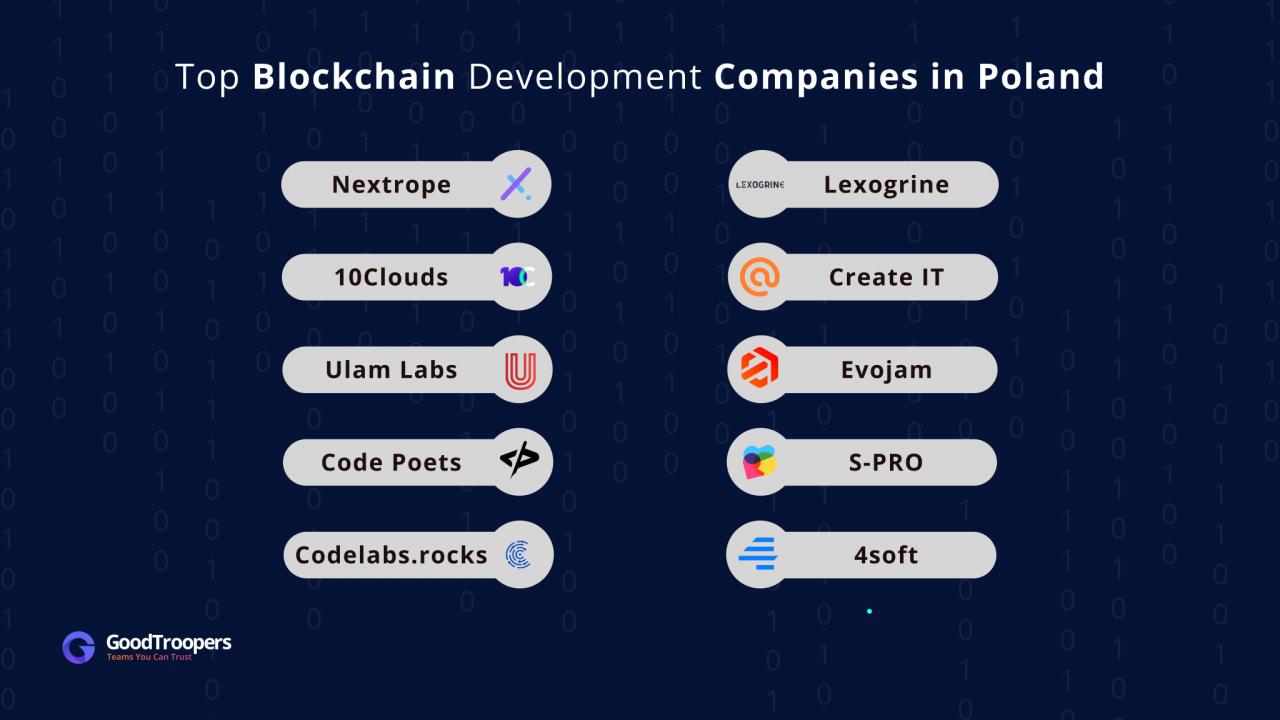
  • Blockchain Developers: Firms focused on building blockchain solutions for various applications, from finance to supply chain management, enhancing operational efficiencies across sectors.

Local exchanges often provide unique features such as local currency trading pairs and customer support in Polish, which can give them an edge over international platforms. Additionally, fintech companies are increasingly incorporating cryptocurrency solutions into their services, broadening access and integration into mainstream financial services.

The Role of Government and Regulation

The Polish government maintains a proactive stance on cryptocurrency regulation, implementing measures that balance innovation with consumer protection. The KNF has issued guidelines that require crypto companies to register and adhere to specific compliance standards to operate legally.Compliance requirements for crypto companies in Poland include rigorous KYC procedures and regular reporting of suspicious activities. These regulations are designed to mitigate risks associated with fraud and money laundering, fostering a secure trading environment.Furthermore, Polish authorities have started addressing tax implications for cryptocurrency transactions, providing clearer guidelines on how gains from crypto investments are taxed.

This transparency is crucial for businesses and investors, as it helps in planning and compliance.

Investment Opportunities in Polish Crypto Companies

Poland Banks Pushing Companies to End BTC Exchange Contracts ...

The investment climate for crypto startups in Poland is increasingly attractive, with a notable rise in venture capital interest and funding trends. Investors are looking at Polish crypto companies as viable opportunities due to their innovative solutions and potential for growth within the European market.Venture capital firms have begun to recognize the potential of the Polish crypto sector, leading to a surge in funding for promising startups.

Notable investment groups include:

  • SpeedUp Venture Capital Group
  • Inovo Venture Partners
  • Innovation Nest

These investors are keen on supporting early-stage companies that leverage blockchain technology, signaling confidence in the long-term viability of the market.

Challenges Faced by Crypto Companies in Poland

Despite the positive outlook, crypto companies in Poland encounter several challenges. Regulatory uncertainty remains a significant barrier, as firms must navigate a complex legal landscape that can change rapidly.Global market fluctuations also impact local crypto businesses, making it challenging to maintain stability and predictability. This volatility often affects investment strategies and consumer confidence in cryptocurrencies.To overcome these hurdles, Polish companies are adopting various strategies such as forming alliances with regulatory bodies, enhancing compliance measures, and educating customers about the benefits and risks associated with cryptocurrencies.

Innovative approaches to risk management and operational efficiencies are also key to thriving in this dynamic environment.

Future Trends in the Polish Crypto Market

The future of the cryptocurrency sector in Poland looks promising, with several developments anticipated based on current trends. The adoption of decentralized finance (DeFi) solutions and non-fungible tokens (NFTs) is expected to gain momentum, driven by increasing interest from consumers and businesses alike.Technological advancements, particularly in blockchain scalability and security, will likely influence the operations of Polish crypto companies. Enhanced transaction speeds and lower costs could make cryptocurrencies more appealing for everyday use.

Emerging Sectors Description
Decentralized Finance (DeFi) Financial services without traditional intermediaries, gaining traction among users seeking greater control.
Non-Fungible Tokens (NFTs) Unique digital assets representing ownership of specific items, expected to grow in popularity among collectors and artists.
Blockchain for Supply Chain Using blockchain to increase transparency and efficiency in logistics and supply chain management.

Community and Networking in the Polish Crypto Scene

Community engagement is crucial in the Polish crypto landscape, as it fosters collaboration and knowledge sharing among enthusiasts and professionals. Local meetups and conferences, such as the Blockchain & Bitcoin Conference Warsaw, provide platforms for networking and discussion on emerging trends.Additionally, online communities and forums play a vital role in connecting Polish crypto enthusiasts. Platforms like Reddit and Telegram host active groups where members share insights, news, and experiences, contributing to the overall growth of the crypto community in Poland.

Final Conclusion

In summary, crypto companies in Poland are not just surviving but thriving, with a dynamic market poised for future growth. As technological advancements and community engagement continue to shape the landscape, Poland stands out as a beacon of opportunity for those involved in the cryptocurrency sector. The journey ahead is filled with potential, and the Polish crypto scene is one to watch.

Clarifying Questions

What types of crypto companies are in Poland?

Poland hosts various crypto companies, including exchanges, wallet providers, and blockchain developers, each offering unique services.

How does the Polish government regulate cryptocurrencies?

The Polish government has implemented regulations that ensure compliance and protect consumers while fostering innovation in the crypto sector.

What investment opportunities exist in Polish crypto startups?

There is a growing interest from venture capitalists in Polish crypto startups, creating numerous investment opportunities within the sector.

What challenges do crypto companies face in Poland?

Challenges include navigating regulations, adapting to global market fluctuations, and addressing operational hurdles.

Are there community events for crypto enthusiasts in Poland?

Yes, there are various meetups, conferences, and online forums where crypto enthusiasts can engage and network in Poland.